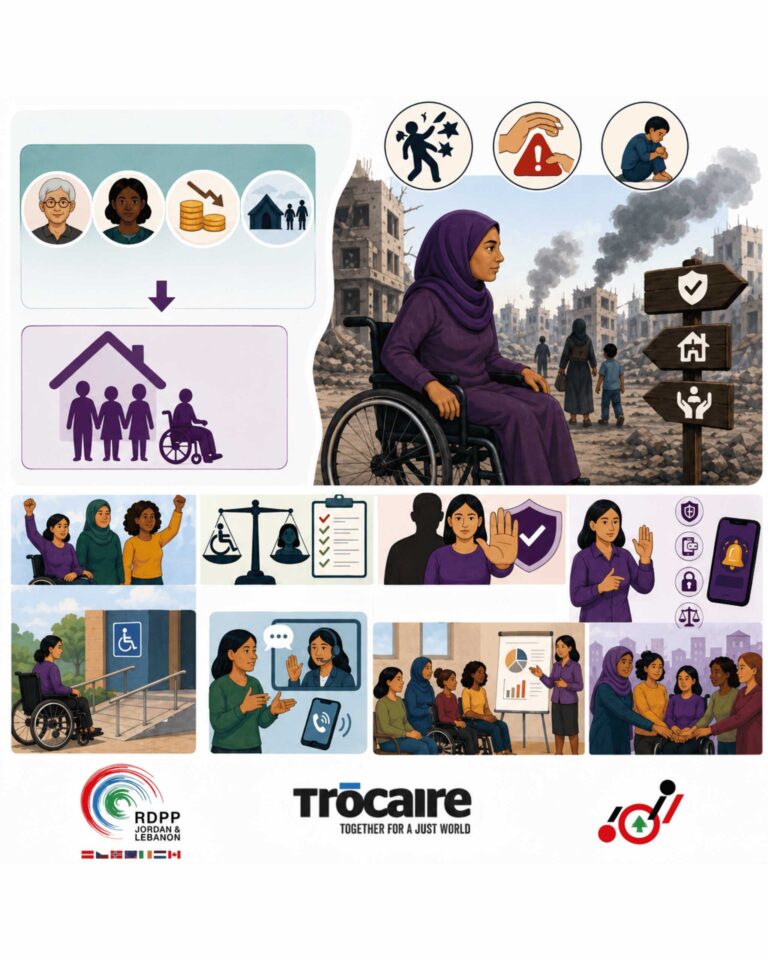
The Combatting Violence Against Women Program is a critically important initiative targeting a doubly marginalized group: women and girls with disabilities. Rooted in a deep understanding of intersectionality, this population faces a compounded risk of violence (physical, sexual, psychological, and economic) resulting from the intersection of gender-based discrimination and disability-based discrimination. This intersection not only increases their likelihood of experiencing violence but also hinders their access to protection mechanisms, justice, and support resources. The program’s goal goes beyond mere awareness to become an integrated framework aimed at achieving structural and societal change.
Empowerment and Capacity Building
A key pillar of the program is the empowerment of women and girls with disabilities to break the silence and fear imposed by double stigma.
- Leadership of activists: The program builds the capacity of this population to become activists and leaders in their communities, capable of recognizing, defending, and effectively claiming their rights.
- Providing skills: This includes equipping them with legal skills to understand legislation, psychological support to build resilience, and advocacy skills to amplify their voices in public spaces and decision-making processes.
- Breaking isolation: Empowerment aims to help women emerge from social isolation, which often increases their vulnerability to exploitation.
Adapting Services and Ensuring Access
The program places strong emphasis on ensuring that services for violence survivors are accessible and responsive to disability-related needs.
- Adapting shelters and centers: Working with government institutions and civil society organizations to ensure that shelters, police stations, clinics, and helplines are physically, psychologically, and informationally accessible.
- Specialized referral protocols: Developing and implementing specialized referral protocols that ensure survivors receive integrated, disability-inclusive support, including personal accompaniment services or assistance when needed.
- Informational and psychological access: Ensuring that information about seeking protection (such as helpline details) is available in accessible and understandable formats for everyone.
Policy and Legislative Advocacy
The organization plays an active role in policy advocacy to ensure that laws to combat violence are comprehensive.
- Integrating an intersectional perspective: Seeking to explicitly and effectively integrate disability and gender perspectives into laws to combat violence, ensuring that women with disabilities are not neglected in either the drafting or implementation of legislation.
- Compensation and rehabilitation: Pressing for appropriate compensation and rehabilitation services for their specific situations, including health, psychological, and social support after experiencing violence, tailored to the particularities of disability.
- Legal accountability: Working to strengthen accountability mechanisms to ensure perpetrators of violence are punished, taking into account the victim’s vulnerability and need for additional procedural protections.
Community Education and Behavioral Change
- Challenging stereotypes: The program engages in broad community education to challenge prevailing stereotypes and the double stigma surrounding women with disabilities, and to change public behaviors.
- Promoting inclusion and respect: This education aims to promote inclusion and respect for everyone’s human rights, affirming that efforts to combat violence cannot succeed unless an inclusive approach is adopted that leaves no one behind.
This program embodies a deep commitment to achieving genuine and comprehensive equality in Lebanese society by addressing one of the most complex forms of discrimination.
Content related to the Combatting Violence Against Women Program

Ensuring the Protection and Inclusion of Women and Girls with Disabilities in Emergency Response in Lebanon
29 / 09 / 2026LUPD’s goal is to ensure that women with disabilities have equal access to protection services, resources, and opportunities to report violence and discrimination.

ISF Training in Disability and GBV
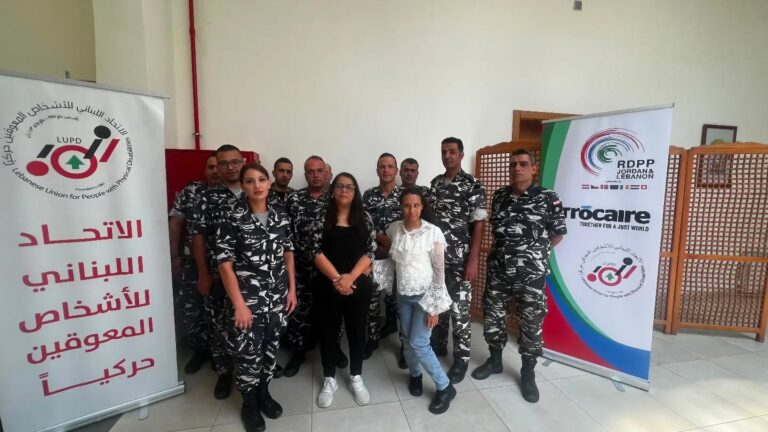
21 / 07 / 2026Funded by the Regional Development and Protection Programme (RDPP) and implemented in partnership with Trócaire, under the project “Enhancing Access to Rights and Strengthening the Self-Reliance of Vulnerable Lebanese and Refugee Communities in Lebanon through Support to Locally Led Initiatives.” LUPD conducted a specialized four-day training for members of the Internal Security Forces in Baalbek-Hermel, […]
Emergency Humanitarian Assistance Project to Protect the Most Vulnerable Persons with Disabilities and Women
This project aims to strengthen the resilience and protection of the most vulnerable persons with disabilities and their families in the Bekaa Valley (Baalbek and Bar Elias), whether refugees or from host communities.

Women Empowerment and Protection from Violence
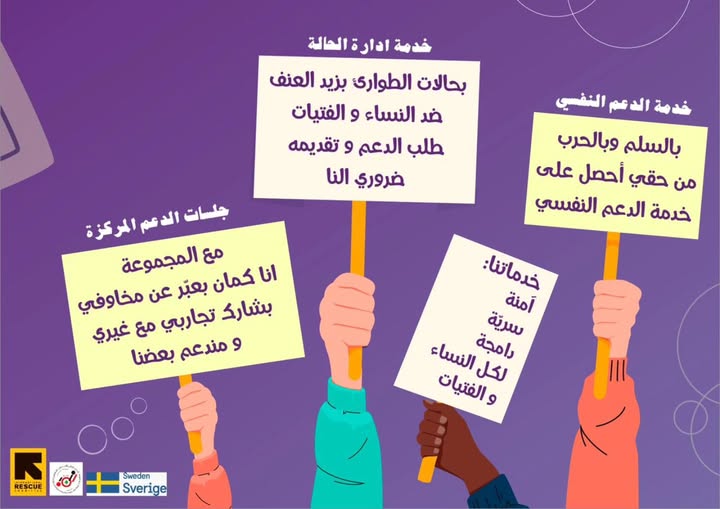
07 / 12 / 2024A specialized team at the LUPD provides safe, confidential, and inclusive services for women and girls with disabilities, including psychological support services and case management, in addition to focused support sessions. We aim to empower women and girls with disabilities and reduce the level of violence they are subjected to. We ensure confidentiality of information […]

A Consultative Meeting on Challenged Faced by Displaced Girls and Women with Disabilities
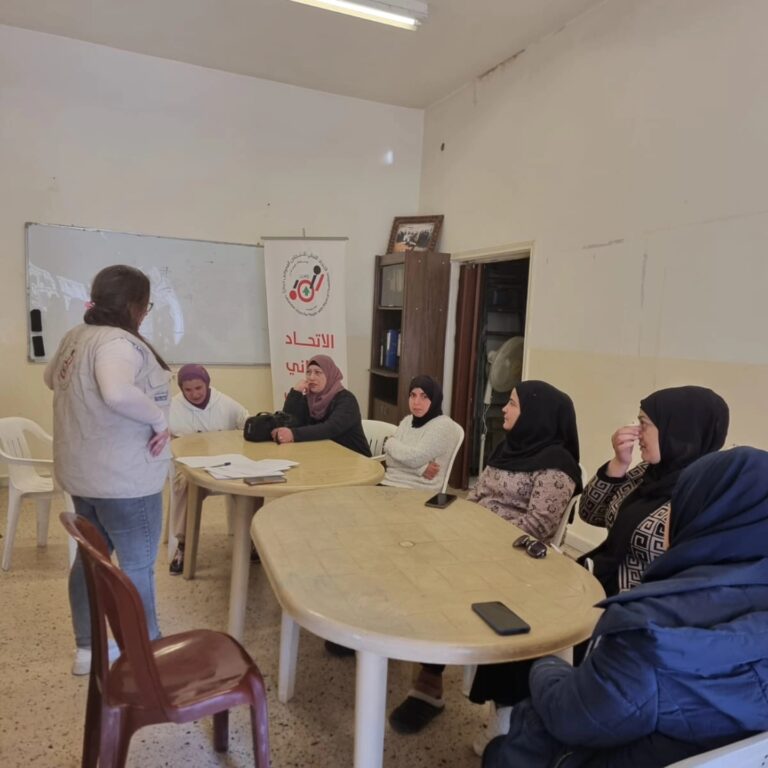
08 / 11 / 2024Within the framework of monitoring the challenges of displaced girls and women with disabilities, the Lebanese Union for Persons with Motor Disabilities team in the Central Bekaa held a consultation meeting with a number of displaced women, listened to them and documented the challenges they face.
Building the Resilience of Women with Disabilities in Baalbek: A Partnership for Empowerment and Protection
Supported by MPDL and funded by Asturias, the LUPD worked to strengthen resilience and improve livelihoods for over 150 women and girls with disabilities from different nationalities.
Strengthening the Protective Status of Individuals at Risk
Strengthening the protection and well-being of vulnerable individuals – especially persons with disabilities – residing in the Bekaa and Baalbek-Hermel areas.

Improving Resilience of Refugees and Host Population with Disabilities While Prioritizing Women
Improving the resilience and protection of the most vulnerable persons with disabilities and their families, both refugees and host communities, in the Bekaa, especially women and girls at risk and survivors of GBV.
Protecting and Assisting of the Most Vulnerable Women and Girls with Disabilities in the Context of the Multi-Sectoral Crisis – Lebanese and Non-Lebanese
This project aims to mitigate the impact of the multi-faceted crisis on the health, hygiene, and protection of girls and women with disabilities.
Violence against girls and women with disabilities in their own words
23 / 08 / 2023Written by: Nagham Sharaf The news of women and girls being subjected to violence comes as a surprise despite its frequency, as if it is the first time we hear about it, whether through official news published in the media or those circulating on social media, and despite the wide awareness campaigns that affect public […]

Improving Access to Rights and Self-reliance in Lebanon
The project is built on three main pillars to empower the most vulnerable groups, particularly women and girls among refugees and host communities, with a special focus on women with disabilities.
Protective Environment Enhancement and Joint Advocacy for Lebanon
Reducing the vulnerabilities of crisis-affected and displaced populations in Lebanon, including Syrian and Lebanese refugees and stateless people.