
Written by: Nagham Sharaf
The news of women and girls being subjected to violence comes as a surprise despite its frequency, as if it is the first time we hear about it, whether through official news published in the media or those circulating on social media, and despite the wide awareness campaigns that affect public opinion to confront all types of violence and hold perpetrators accountable, the stories of women with physical and sensory disabilities remain absent from the forefront, because women with disabilities are still invisible even in the general feminist struggle.
The LUPD published eight stories that reflect the different types of violence that women with disabilities face as part of the 16 Days of Activism Against Gender-Based Violence, an annual campaign that begins on November 25, the International Day for the Elimination of Violence Against Women, and ends on December 10, Human Rights Day.
According to UN Women: “More than one in three women will experience gender-based violence during their lifetime. In 2021, one in five women between the ages of 20 and 24 got married before they turned 18. Less than 40 percent of women who experience violence seek help of any kind. According to the evidence, the primary driver of policy change is strong and independent women’s mobilization, making such feminist mobilization in the face of anti-rights backlash a matter of life and death.” It is therefore essential for women to practice the act of safe disclosure in order to get their stories out there to change reality.
Here, we share the stories of eight women and girls with disabilities who decided to practice the act of disclosure and keep their identities secret in order to ensure their survival.
Your body is crippled and useless…
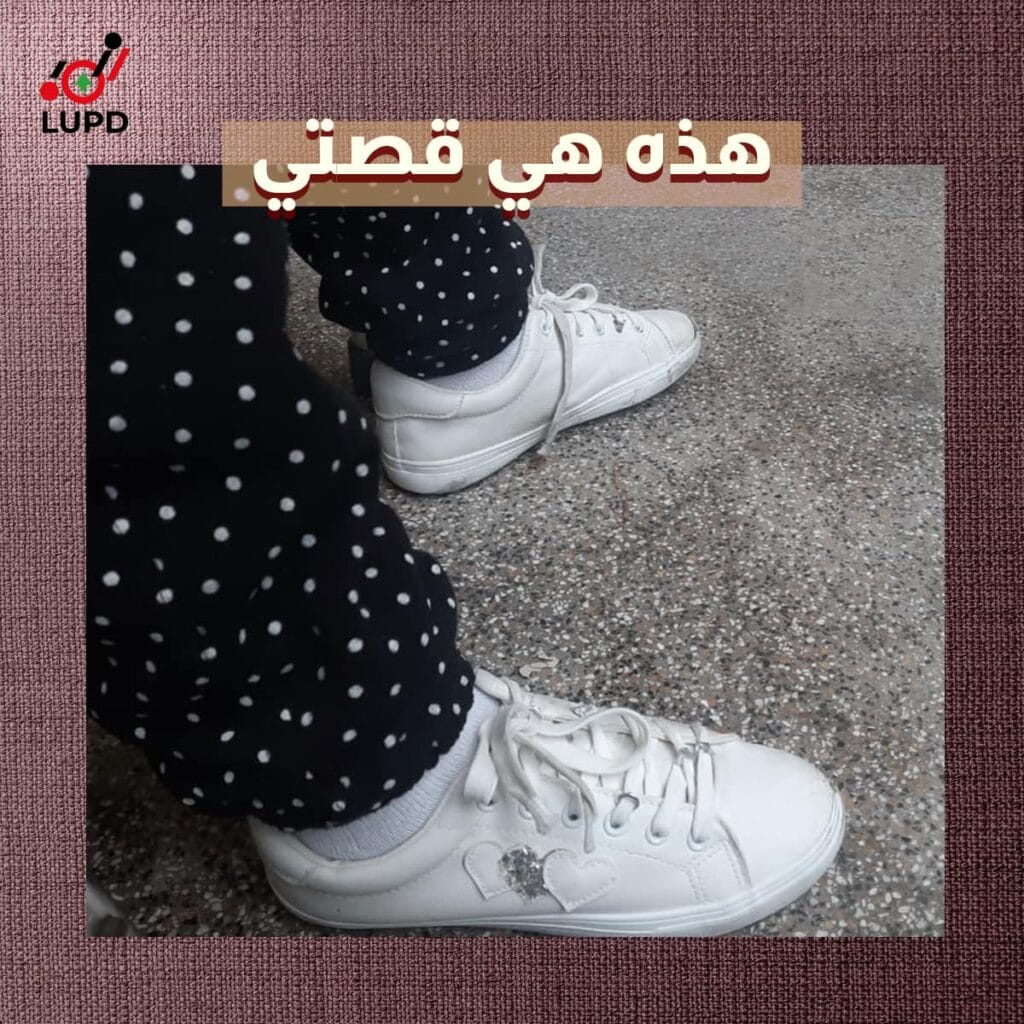
“The first sexual relationship was forced when I was 12 years old, my father was an alcoholic and tried to rape me. I managed to evade him as much as I could, but the abuse continued. I tried to inform the responsible security authorities specifically that I was aware of what was happening, but instead of arresting him, I was arrested and threatened not to mention the rape again.
My family has always belittled me because of my disability, and even though I excelled in school, I was constantly mocked by family and strangers. Because of my disability, my family always wanted to get rid of me, so my mother decided to marry me off at the age of 13. The marriage lasted 9 months, during which time I found out that my husband’s family was in the sex industry. When I refused to work as a domestic worker, I was forced to work as a stripper in a nightclub. In fact, my mobility impairment in my legs gave me a kind of pity protection, so I didn’t get much harassment, and the club owner was good to me and helped me go back to school. So I was sitting in class during the day and dancing on stage at night.
I was a child living in an environment that wanted me to become a woman only for financial gain. A member of my husband’s family once told me: “Your body is crippled and useless, the only solution is to work with us so we can earn a little money.” I continued working at the nightclub after my divorce for six years, and that’s how I was able to become financially independent, go to university, rent my own room, get a good job, and start a new path in my life.
Today, more than 20 years later, violence is still present in my life. Unless we break it or uproot it, the cycle continues and grows with us. I have tried my best to forget, and even to forgive, but many of the unconscious choices I made are related to my childhood and my violent history as an unprotected minor. I try as much as I can in the present to protect my children, to get rid of my memories, but again, now speaking as a disabled woman, the cycle of violence haunts me.”
Trying to rewrite my life…
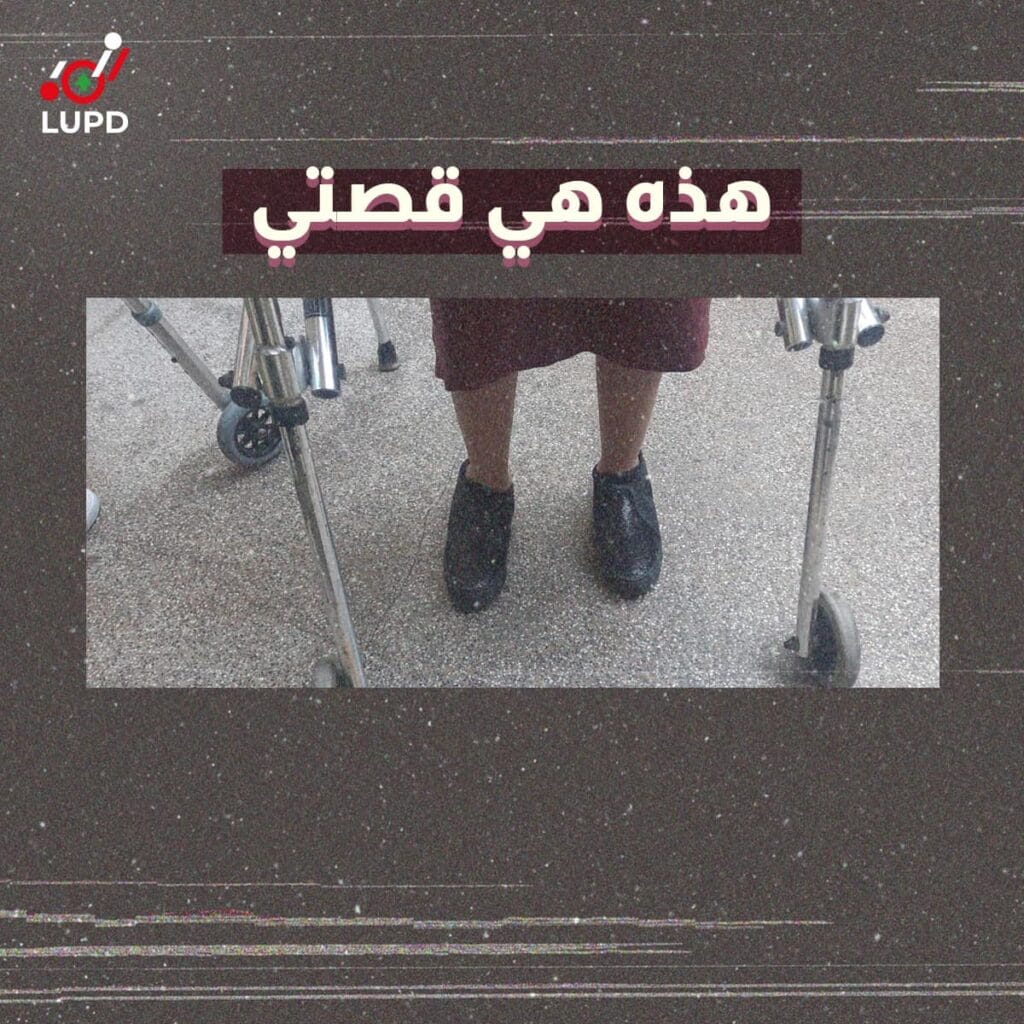
“I’m 22 years old, and I’ve had three different marriages that all ended in divorce. I was 16 years old when my family decided to get rid of me. My ex-husband’s family came and asked for my hand from my father, who at first tried to convince me to get married by buying me clothes and foods I liked and giving them to me, but when I wasn’t convinced he started beating me. I tried to escape to my mother’s house, but the beatings were waiting for me there too. Within ten days I was married.
The first night, my ex-husband put a small mattress on the floor so he could have sex with me. That night, his mother came into the room with us to witness my virginity. I felt scared and ashamed and wanted to run away, but I knew I would be killed if I did. After my husband ended the affair, he let me lie down on the bed. From that moment on, I knew that divorce would be my fate. I was locked in my room for a whole year, subjected to all kinds of abuse, and my husband’s family used me as a domestic worker, in short, they treated me as a domestic worker without paying me a monthly salary. My first marriage ended because I wanted to regain my freedom.
My second marriage came in my 18th year and was based on love, or at least that’s what I thought it was. For the first few months I lived a fairy tale and then the beatings started. In fact, there were clear signs of the abuse to come, such as the way my husband spoke and the way he treated me. The marriage ended after he beat me while I was pregnant, to the point that I lost consciousness, lost the baby and was going to lose my life, and that’s how the physical issues started, because of the repeated beatings, I developed a motor disability and a concussion.
Society stigmatized me as a divorced woman, and in all honesty, in order to avoid the daily talk and after a lot of pressure, I remarried for the third time, and today I am in the process of ending my marriage, which resulted in a child.
If I had been financially independent, if my family had been supportive, and if my childhood hadn’t been taken away from me through marriage, I wouldn’t be in this situation. I refuse to play the victim, but I was the victim of an early marriage that determined the course of my life. Today, after all the experiences I went through, I’m trying to rewrite my life, to take responsibility for myself and my child, and to be in control of my own destiny.”
I lost 25 years of my life…
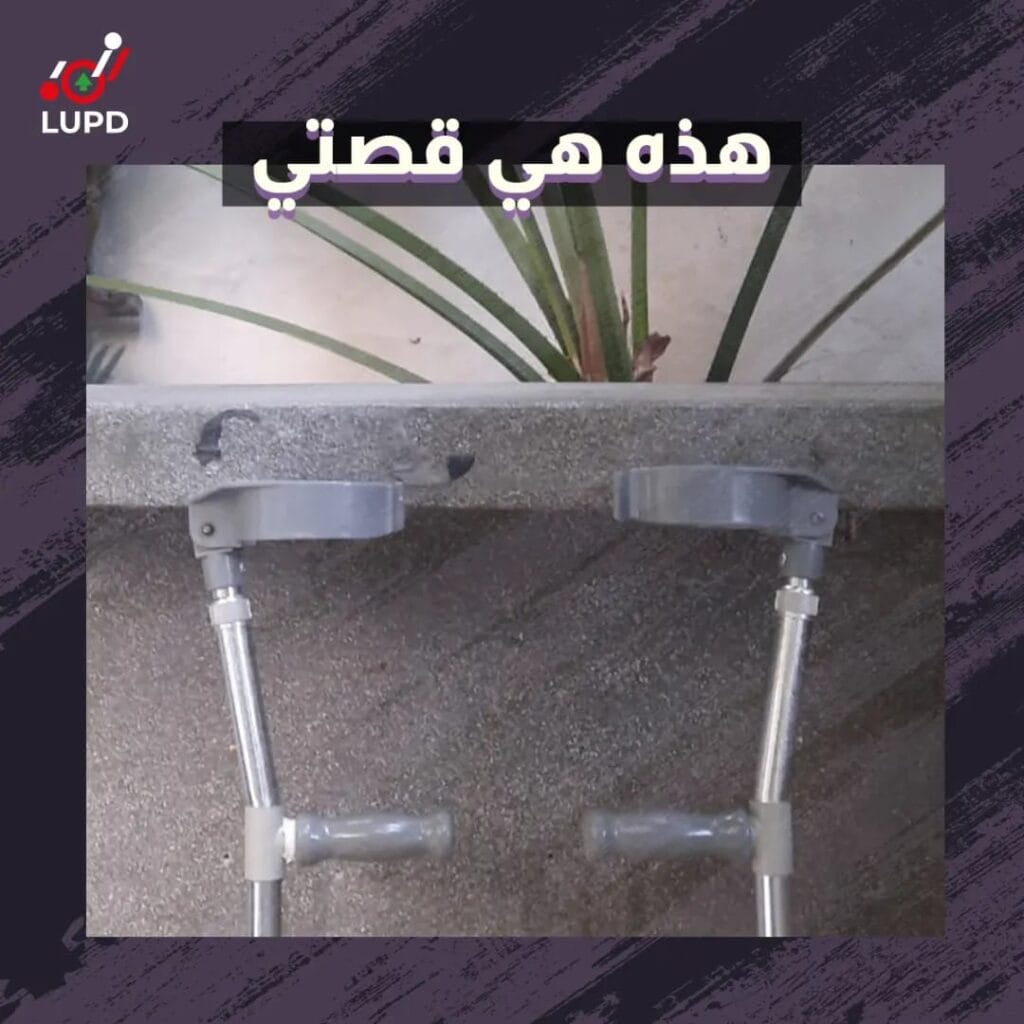
“They told me that I was unhappy because of the general situation and the high cost of living in particular, so my blood pressure rose, and I had a stroke in my hand. Then I had a second stroke that caused me to lose my ability to speak. The last stroke caused me to lose my memory, and today I don’t remember anything from my married life.
I live with my children and my husband, but I don’t remember them, and in our society they consider a woman with no memory to be without personality and crazy. I have a clear memory from my childhood to the day I got engaged, but all the events that followed that day I don’t have glimpses of.
They say I used to work in human rights organizations, and I used to love sculpting and giving speeches in front of crowds. Now I spend my time thinking and asking God to give me a little bit of my personality back, because people are ruthless. They call me crazy and tell my friends not to visit me because I’m not fit to receive human beings and should be isolated. The violence I experience is social violence, coming from individuals and groups. They try to stigmatize me because I have amnesia, not caring that I haven’t lost my cognition.
I know I lost 25 years of my life, but I didn’t lose my ability to produce, communicate and express myself. I lost my profession, which I don’t remember and which I was reportedly very successful in, but I didn’t lose my motherhood and my love for my family members, who support me and joke that my cooking tastes even more delicious than before.
Today, despite all my difficulties, social norms and verbal abuse, and even though I’ve lost a lot of years, I’ve also been reborn.”
Protecting my daughter from customs…
“I came to Lebanon with my eldest daughter when I was 19 years old. I had a traditional marriage in Syria, but without outside pressure. In my village, there are many traditions, including that a girl stops studying when she reaches puberty, in order to protect herself from others according to the prevailing perceptions. That’s why I was deprived of education and started working as a house cleaner at an early age.
Today, I am the mother of a 16-year-old girl with a mobility impairment, whom I helped and encouraged to complete her education so that she would have all possible options when she grows up, especially the ones she needs to face the society that stigmatizes her.
My husband also injured his back and leg in his previous job and became disabled, and he can no longer work because employers don’t want to hire him. If they do, the workplace is often not equipped to accommodate him.
Due to the professional rejection of people with disabilities in our society, I became the main breadwinner in my household of three sons, a daughter, and a husband. I did everything I could to protect my daughter from the prevailing norms, to the point where I was verbally and psychologically abused. I was blamed for her disability by some family members, but all my attempts failed when she was ridiculed or isolated by her surroundings. Sometimes I hear her crying in her sleep and I think to myself that all the daily issues my family and I face would not exist if society respected people with disabilities and if workplaces welcomed them.”
I wanted to protect my family…

“I am the mother of a child with a mobility disability and the wife of a man with a sensory disability. I tell my story to say that this society is unjust. When we fled from Syria to Lebanon, after my husband was injured at his workplace, we couldn’t afford his treatment because of lack of money. By the time we returned and were able to pay for his treatment, he had stopped working for years and I took on all the burden myself.
When we arrived in Lebanon, we lived in shared houses with other family members. Because of our poverty and inability to move, I would endure verbal and physical harassment from our neighbor and run out of our room all the time to another house. Because I was so afraid of him, I once threw myself out of the car after he got in. I didn’t tell my husband until now. First, because I wanted to protect my family and protect him from the anger that would result if he knew about our neighbor’s actions, and second, because I was scared.
Even today, whenever I want to go to work, I’m afraid to get into a taxi and go between houses and clean them, especially houses whose owners know about my husband’s disability, because most of the men I encounter harass me on the principle that my husband, because of his disability, is an “unsuitable” or “unfit” husband, and they want to get rid of him to the point that one of them implicated him in a security case so that he would be imprisoned.
I want to say that my husband is the best man I’ve ever met, and his disability doesn’t make him any less of a father to my children and a great human being. If society and workplaces treated him based on his ability and not his disability, I wouldn’t have gone through what I went through and my husband would be living a fair life.”
He was abusing me and my daughters…
“I thought marriage would be my salvation from my family, specifically from my brother, who prevented me from studying, working and communicating with the outside world. In his eyes, a girl belongs at home, and whenever I challenged his norms, he would remind me of them through severe beatings.
My husband went to my family’s house to ask for my hand more than once, and each time he was rejected by my brother. In the end, I ran away with him and we got married in secret, after which the suffering began to take on new forms. My family considered that I had sullied their honor and dignity, so I was prevented from returning to my village and threatened with death. I was blamed for my mother’s illness, and the estrangement with my family continued for more than a decade.
The beatings in my husband’s home were “acceptable” compared to the beatings I experienced in my family’s home. By these standards, I considered myself lucky to have survived. After I gave birth to my daughter, I was ostracized by my husband and his family members who wanted an heir to carry on their name. A member of this family also tried to force me to work in “prostitution” so that they could benefit from me financially, and every time I refused, the abuse escalated.
One night, when I was pregnant with my second daughter, my husband beat me until I lost consciousness and had to undergo an emergency operation to save the baby. Months later, he came home and accused me of going out without permission, grabbed a piece of furniture and hit me on the head with it. That night, after six years of physical, psychological and sexual abuse, my body gave up and I lost my sight.
I stayed in his house to protect my two daughters, whom he also abused, to the point where the youngest would hide in the closet so he wouldn’t find her and start crying when she heard the sound of his car. I stayed there because my family refused to take me in, because the neighbors defended my husband and said that I fell off the balcony and that’s how I got my sensory impairment, and because I am economically incapacitated.
I still remember the night I escaped from my ex-husband, he had tied me up on the roof and started sexually and physically abusing and torturing me with sharp objects that I couldn’t see but could feel on my body. I don’t know how I found a way out, but I got out and survived. I became aware of my rights and that my voice needs to be heard.
Today, years after that night, I still cry every time I remember it. I cry because I can’t touch or see my daughters, and because the physical abuse has been with me all my life just because I was born a woman and gave birth to two girls. I ran away because the abuse I was subjected to caused me to lose my sight and because if I stayed, I would lose the life I would need to keep my daughters alive.”
They made fun of me and my disability…
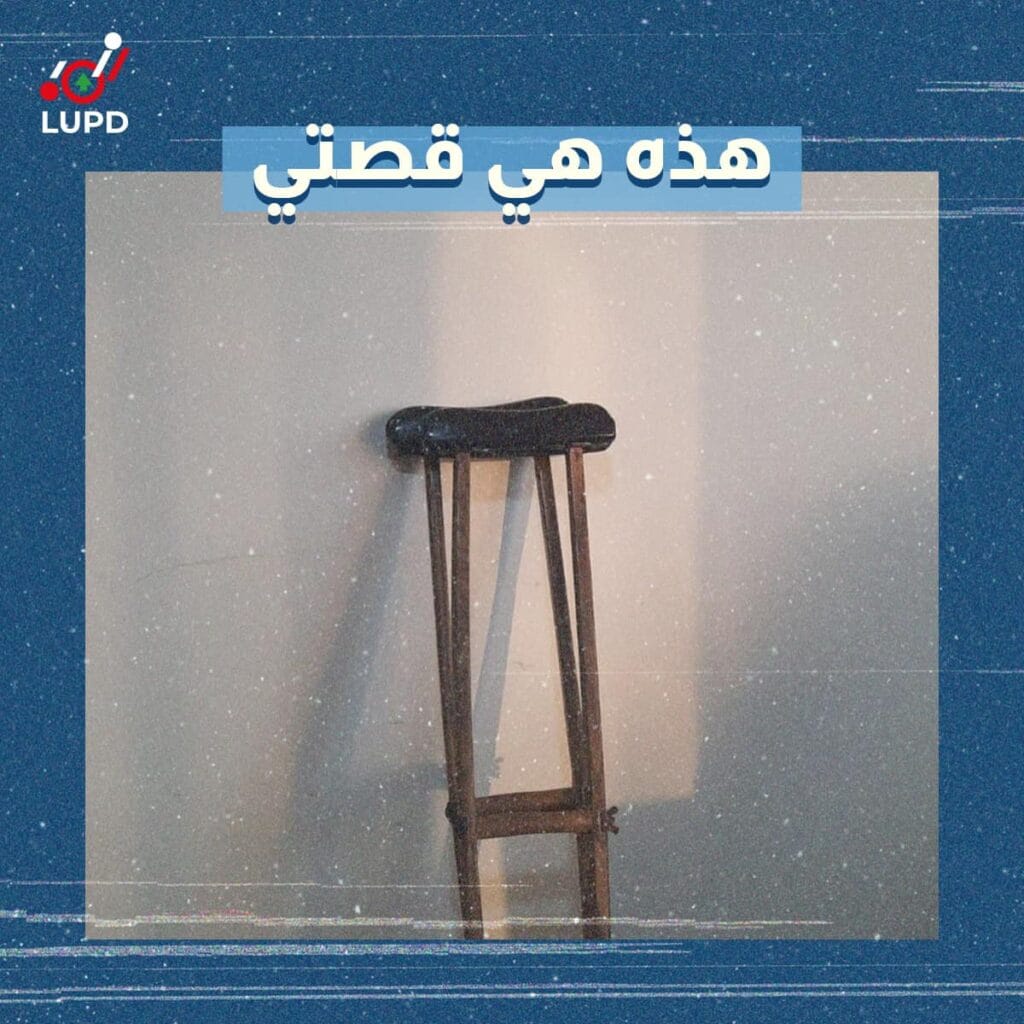
“I was beaten more than once by my family members, especially my little brother who gets angry with me and doesn’t like my disability, even though he himself has a mobility disability. A while ago he asked me: Why does your right leg look weird? I told him that we look alike and there is no need for him to make fun of me.
I have a disability in my back and right leg since birth, and because of it, I sometimes can’t do everyday tasks like getting dressed or going to the bathroom. But my mom supports me and helps me. My leg hurts a lot whenever I try to walk, so I don’t play in the schoolyard with my friends, but it’s not my leg that bothers me the most, it’s the bedwetting caused by my disability.
On one occasion, the teacher didn’t allow me to go to the bathroom, so I urinated on myself in class in front of my classmates, and they made fun of me and my disability. Because of this incident, I was absent from school for a whole week until the principal called and asked about the reasons for my absence. At first, my mother told her that I was sick, but then she came back and told her the truth. I didn’t return until I took the necessary measures against everyone who made fun of me.
Today, I’m no longer afraid or ashamed, and I’ve accepted the physical issues I have. Of course I hope to be cured, and the doctors say there is hope despite the difficulty of my condition. At school, I became a top student because I want to prove myself through my grades and say that my disability doesn’t determine every detail of my life. I also stand up for myself and respond to anyone who makes fun of me instead of crying. I have a lot of friends that I love and I wish everyone would treat me with respect.”
My family considered me an “incomplete” woman…
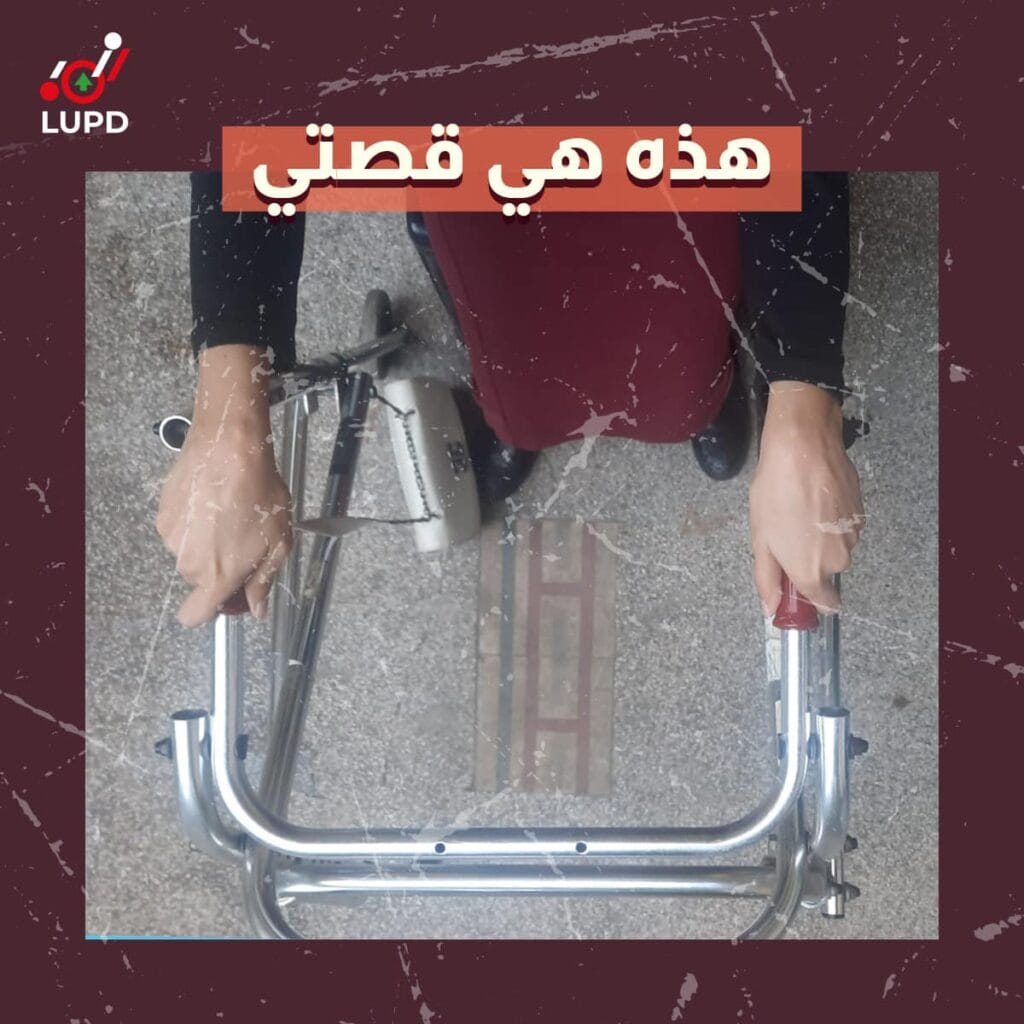
“As soon as I was born and my mobility impairment became apparent, my mother took me in so completely that she isolated me from the outside world. Therefore, when she passed away, I found myself unable to integrate into the male-minded society, having been deprived of the help I had received from her. I tried to live my life in my own way despite all the obstacles in front of me, including physical abuse.
My brother uses physical abuse as a way to enforce his decisions that I disagree with. Over time, I got used to the beatings and started yelling at him, but until now I hadn’t gotten used to the verbal or emotional abuse. Once, while I was talking to my friend on the phone, my brother came into the kitchen and beat me up. I went out into the street with blood on my face and didn’t come back until the evening. If I was financially independent or if I had a safe place, I wouldn’t have gone back home.
I tried to get married more than once, but my family treated me as an “incomplete woman” who didn’t deserve love or to share life with a man. I faced the same opposition when I decided to work. I was not supported financially or morally, but I managed to create my own business selling clothes and become economically independent until the economic collapse brought me back home where I was subject to my brother’s financial authority.
I have never asked for anything other than my right to live, to go out into society with love and respect for my body. I don’t know yet if my family’s issue with me is related to my disability or if their abuse is just because I’m a woman, but I do know that they treat me with superiority and that I am unable to defend myself physically.
Today I sit and tell my story in my high heels and yellow dress. I may move slower than others, my words may stutter, and I may cry, but not because I am weak, but because society does not accept that women have the right to claim their freedom in all aspects. I myself didn’t know this until I received the necessary help from the authorities.
I, a 50-year-old woman who has beaten cancer twice, was forced to return to my abusive family home because life abroad did not welcome me, did not protect me, and my options were almost non-existent. “If I had my freedom, I would leave everyone I know and move to a place of my own where I would work, produce, marry, and have my friends over to talk to them about whatever is on my mind.”
Samar Tufaili, Executive Director of Programs at the LUPD, says that the Union pursues the issues of women with disabilities in various programs and sectors, and practices gender justice in several ways, including intervention, support, and awareness-raising. “For three years, we have been working on raising awareness about disabled women’s issues with disabled women themselves, with non-disabled women, and with men through the Engaging Men in Disabled Women’s Issues program or through raising awareness within the local community, civil society organizations and municipalities that are in direct and permanent interaction with the people,” she said.
As she says: “After the Syrian crisis and the internal crises in Lebanon, the need to protect women with disabilities became clear because they were the most vulnerable to discrimination, marginalization, violence and exploitation. Since 2016, and specifically in the Bekaa region, the process of studying the reality of disabled women living in Lebanon began. What we saw on the ground led us to emphasize the need to protect women with disabilities inside and outside the home and even in the centers that provide care for them.”
Explains: This support came in the form of response, assessment and assistance. During the response process, we encountered several issues, including the fact that women with disabilities do not have access to information and are therefore unaware of the possibility of reporting incidents that happen to them. Secondly, there is clear discrimination towards women with disabilities, and the latter consider that violence is a natural part of the discrimination they must undergo because of their disability, and this point stands out and varies in different regions of Lebanon.
What we do is that we build trust with the disabled woman, and then we start the investigation process through our specialized team, and then comes the assessment of her needs and the severity of her situation, and then a case management plan is developed and implemented on the psychosocial level, in addition to the safety plan.
Sometimes the woman or girl concerned engages in one of the programs we lead, other times her case is referred to another organization to receive the specialized service she needs, and in the recent period there has been an increase in legal follow-up of cases, whether through an organization or the security authorities, and of course in these cases the woman is referred to a safe shelter that guarantees her protection and safety.
According to Samar Tufaili, group psychosocial support is provided through the Tamkeen life skills program, by activating or providing the necessary social support so that women with disabilities are able to recognize and report abuse, and thus become a supporter of themselves and others by gaining the ability to protect themselves and their surroundings. She emphasizes that what the LUPD is currently trying to establish is to engage and activate women with disabilities in terms of human rights and train them to become active participants on the ground in cases and to transform themselves from survivors to advocates for the rights of women with disabilities.