Project Objective
To empower marginalized persons (persons with disabilities, women, and displaced persons) to strengthen their resilience by securing livelihoods, achieving food security, and promoting social inclusion in targeted communities in Mount Lebanon, the Bekaa, and the South, in partnership with CBM / BMZ.
Summary of Key Outcomes and Achievements
The project succeeded in achieving tangible transformation across its four pillars, moving beyond the threshold of individual empowerment to institutional foundation and national advocacy:
Inclusive Economic and Vocational Empowerment
- 372 participants were trained (89% women, 57% persons with disabilities) in high-demand fields such as cooking, digital marketing, and home care.
- Employment efforts resulted in securing 62 income-generating opportunities (employment and self-employment).
- 207 participants benefited from the training-for-work (cash for work) programme in community kitchens, securing temporary income and practical skills.
- Inclusion was supported by providing 25 technical aids to persons with disabilities.
Food Security Support and Sustainable Infrastructure
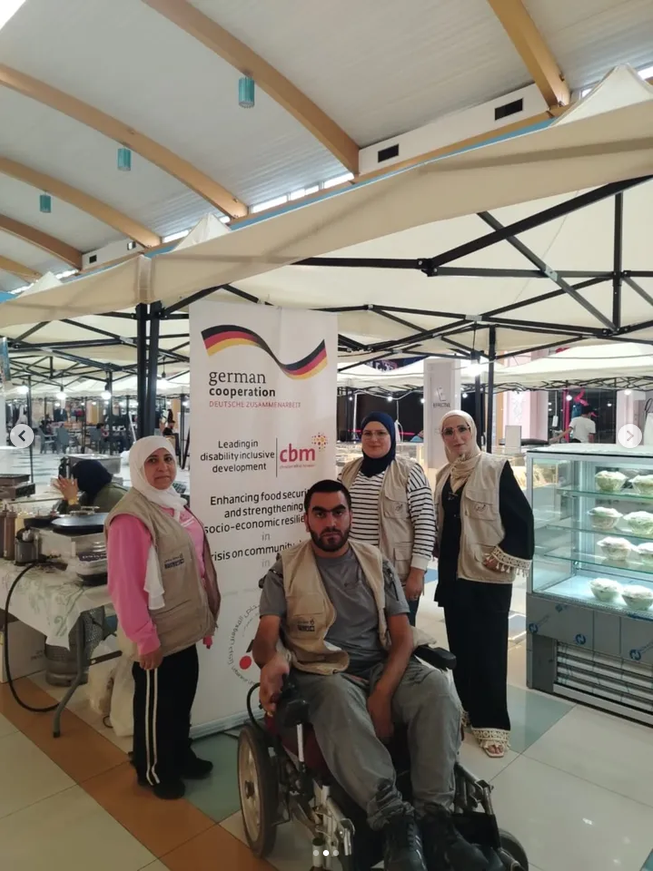
- Two new accessible community kitchens were established and equipped in Zahle and Sidon.
- The “Access Kitchen” facilities worked to prepare and distribute 72,759 hot meals to 1,089 vulnerable families, enhancing food security.
- 125 vulnerable farmers were supported with intensive training on sustainable agriculture (45 sessions).
- Sale agreements between farmers and kitchens are currently being finalized.
Advocacy, Social Inclusion, and Support Services
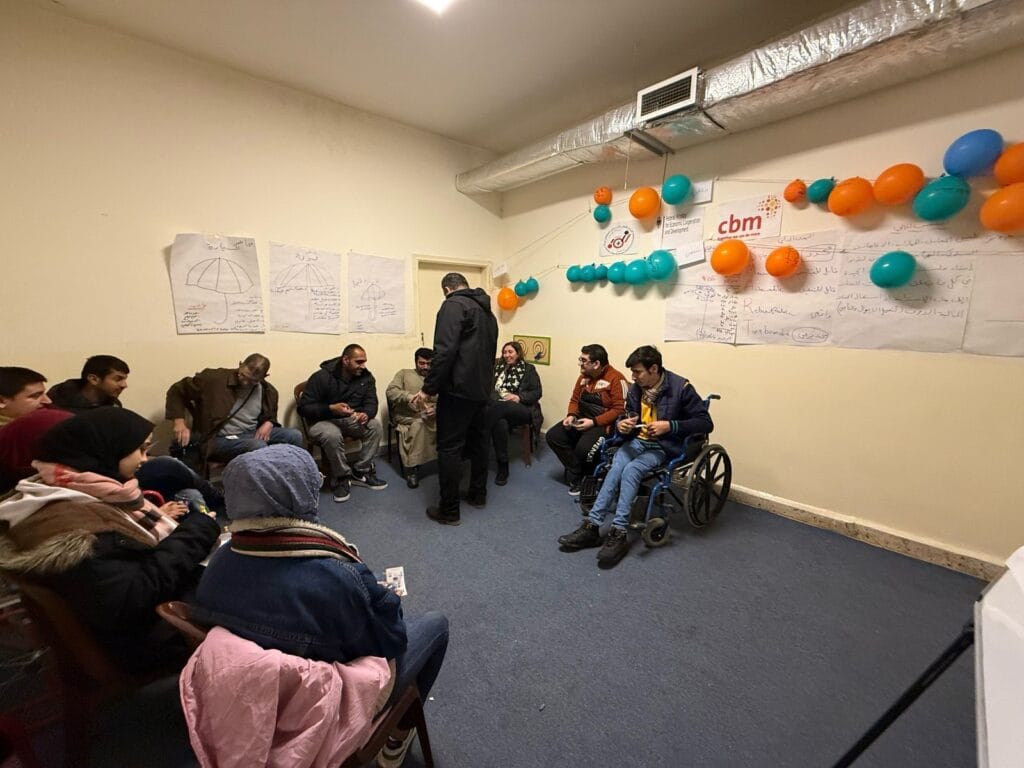
- 32 awareness sessions were implemented for 413 participants to combat stigma and promote the rights of persons with disabilities from different nationalities.
- LUPD participated in 343 United Nations meetings, where advocacy successfully led to the establishment of a national task force for disability inclusion in the humanitarian sector following Lebanon’s ratification of the CRPD.
- The project provided 30 days of specialized training and in-depth coaching to 34 organizations to enhance their inclusive programmes.
- On the social level, vital psychosocial support was provided to 301 participants, contributing to building resilience and social cohesion.
Inclusive Disaster Risk Reduction (DiDRR)
- A participatory assessment of crisis preparedness needs was launched in collaboration with the municipalities of Beirut, Sidon, and Zahle.
- A strategic approach was adopted for direct cooperation with the National Disaster Management Unit to integrate a disability perspective within national frameworks for crisis response.
These results affirm the project’s pivotal role in building resilience at the local community level, integrating marginalized groups into the economic cycle, and establishing the foundations of inclusive crisis response in Lebanon.