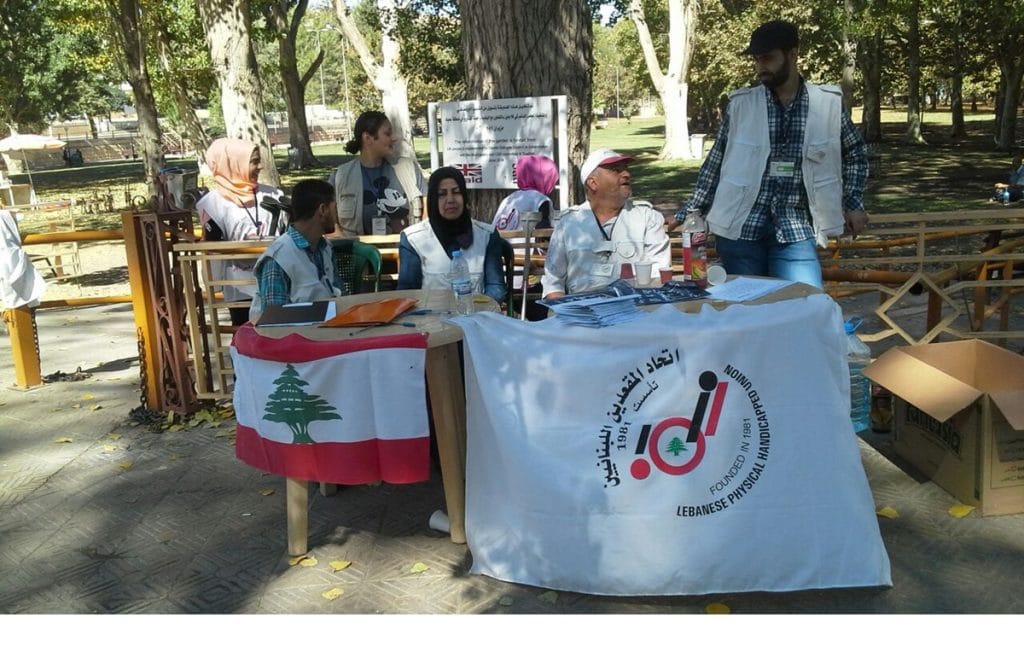
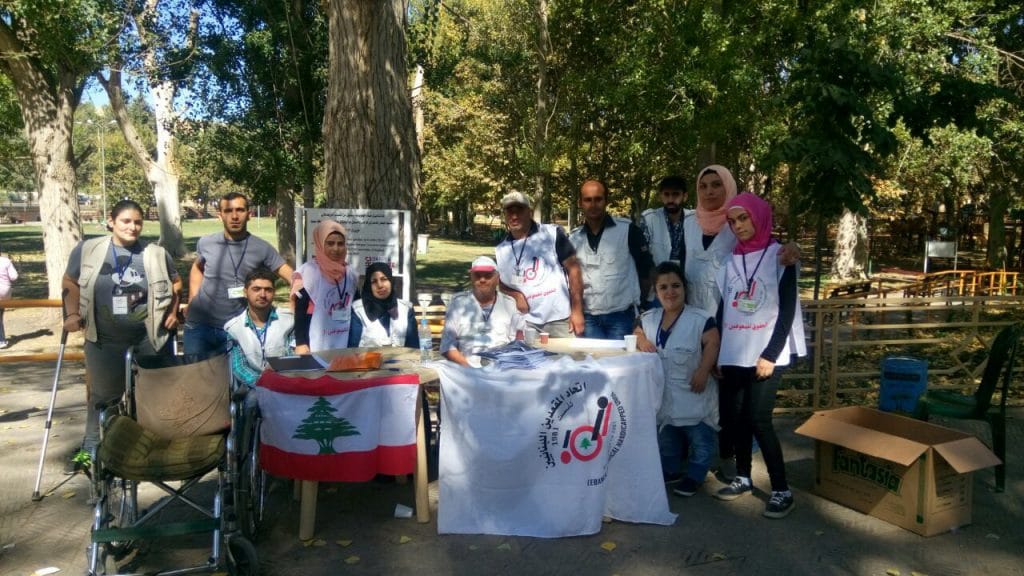
The “Joud” campaign was a civil and humanitarian initiative launched by the Lebanese Union for People with Physical Disabilities (LUPD) in early 2020, at the onset of the general mobilization to combat the COVID-19 pandemic. The campaign emerged from a deep awareness of the compounded risks faced by persons with disabilities amid Lebanon’s severe health and economic crises.
More than just a relief effort, “Joud” embodied a rights-based approach to disability in emergencies. It was born from a complex context where the pandemic response intersected with a deteriorating economic and living crisis, placing persons with disabilities before unimaginable challenges.
The Dual Context: COVID-19 and Economic Collapse
- Health risks: Persons with disabilities, especially those with mobility and respiratory impairments, faced higher susceptibility to severe COVID-19 complications. Restricted movement also hindered access to testing, vaccines, and medications.
- Livelihood risks: The economic crisis and the collapse of the Lebanese pound led to halted social aid, reduced capacity to purchase medical supplies and mobility devices, and weakened support institutions. “Joud” stepped in as a safety net to bridge the gap between needs and resources.
“Joud” as a Bridge, Link, and Support
The campaign’s name is made up of three letters which in Arabic are the initial of the three words: Bridge, Link, and Support. These concepts guided the campaign’s methodology:
- Bridge: Connecting persons with disabilities, often overlooked in traditional relief efforts, to available resources.
- Link: Coordinating between the LUPD’s databases, partner organizations, and donors to distribute aid efficiently and transparently, while also linking citizens with disabilities to state institutions through a rights observatory.
- Support: Providing direct financial, in-kind, and psychological assistance, especially for disability-specific needs such as medication, wheelchair maintenance, and battery replacements.
Rights-Based Role and Policy Impact
A key aspect of “Joud” is its function as a rights-based hotline, in collaboration with the Disability Monitor. Its role included:
- Accountability: Receiving complaints about municipalities or entities excluding persons with disabilities from public aid lists, and holding government bodies accountable regarding allocated funds.
- Advocacy for inclusion: Demanding that emergency and disaster response plans be inclusive and accessible, and that persons with disabilities are not deprioritized in health services or aid due to their disability.
Ultimately, the “Joud” campaign represented a vital model combining immediate relief with rights advocacy, affirming that crisis response must adopt a human rights perspective that places the most vulnerable groups at the forefront.