Silvana Al-Laqis writes:
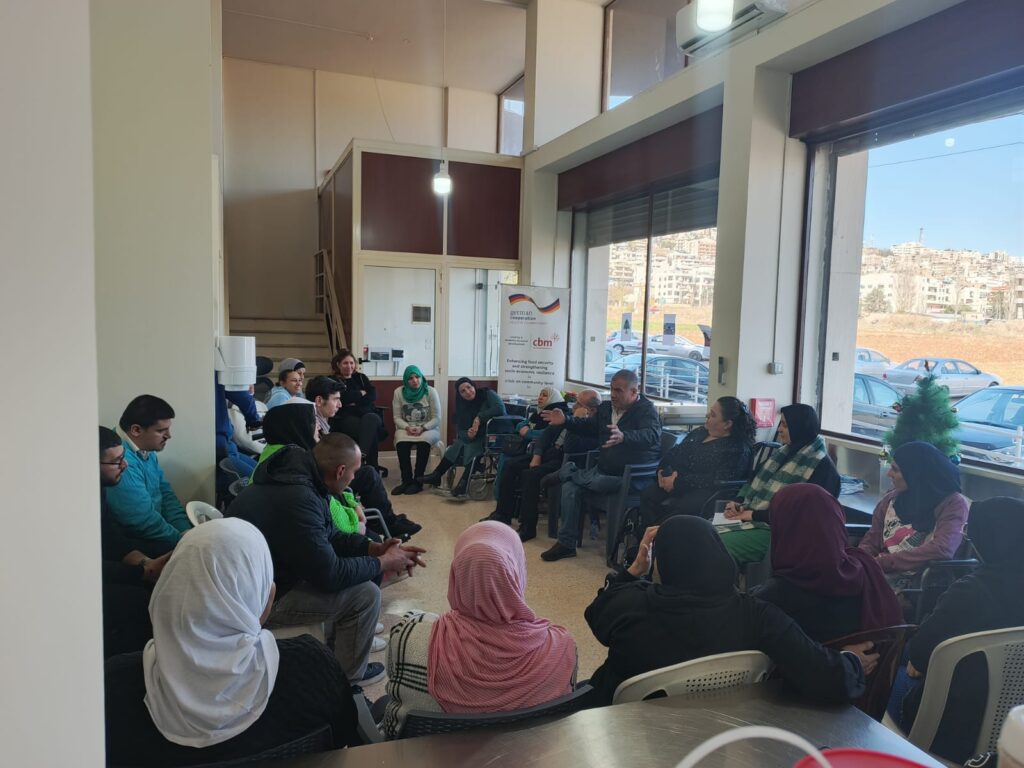
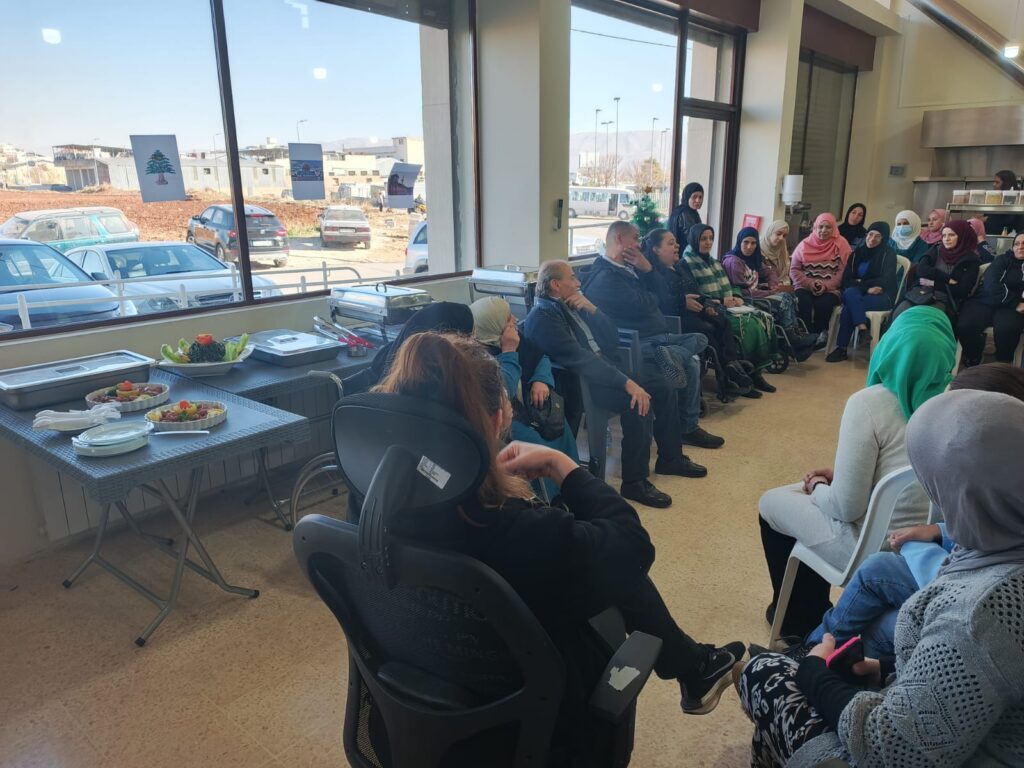
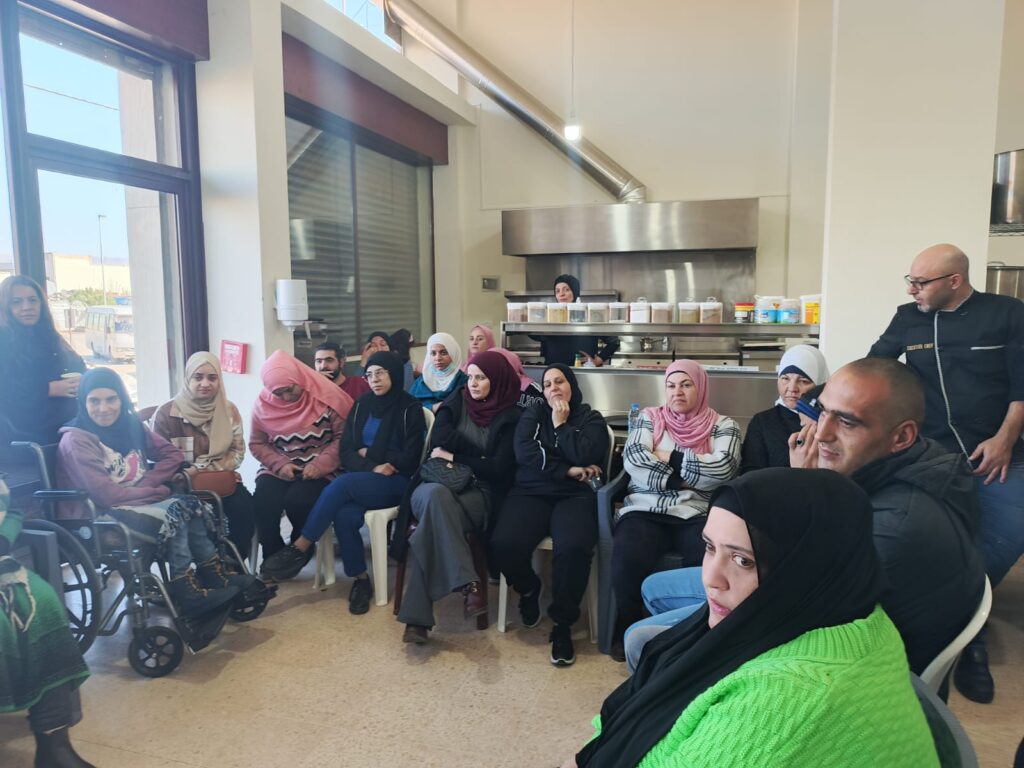
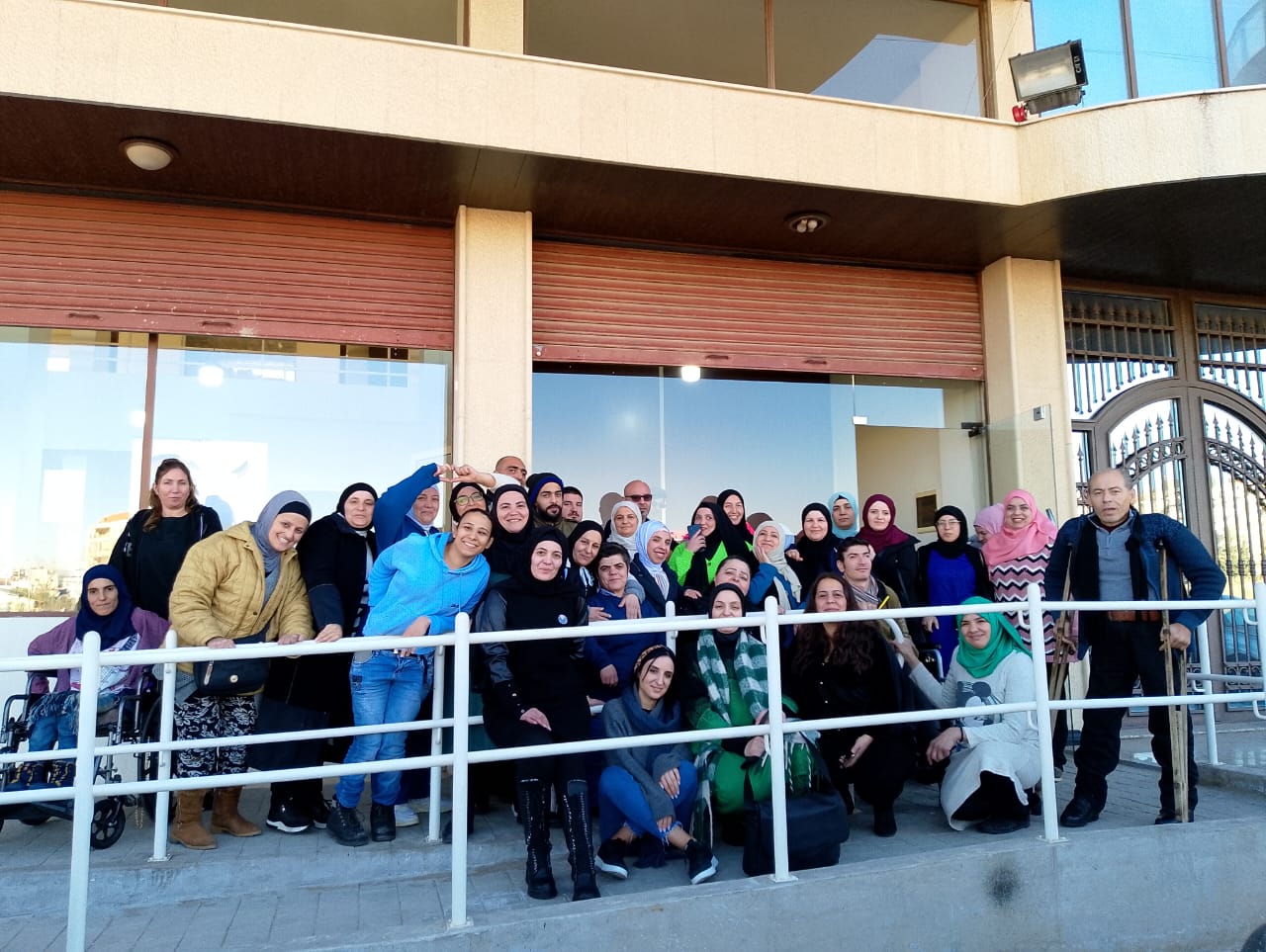
We met in Zahle, where the Access Kitchen was established by the Lebanese Federation for Persons with Mobility Disabilities, as a step in a process that addresses the cultural and societal challenges that have excluded persons with disabilities from public facilities and made access to human rights extremely difficult, such as mobility, work, communication, emergency response plan… etc. It is the first meeting after the period of Israeli aggression against Lebanon.
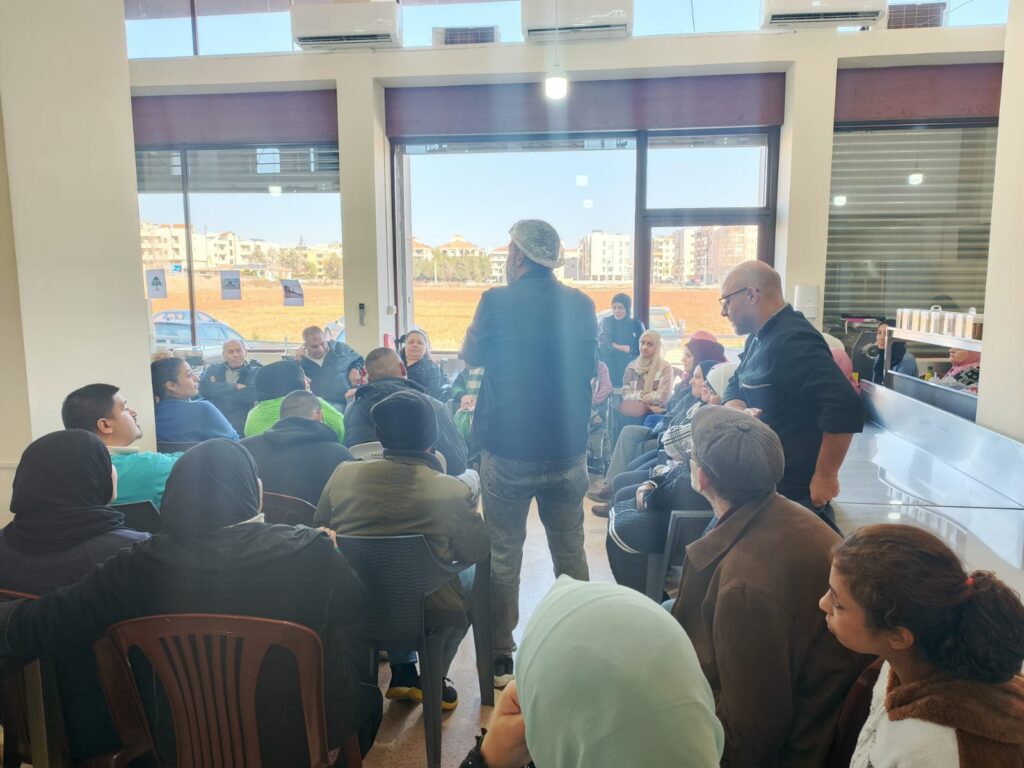
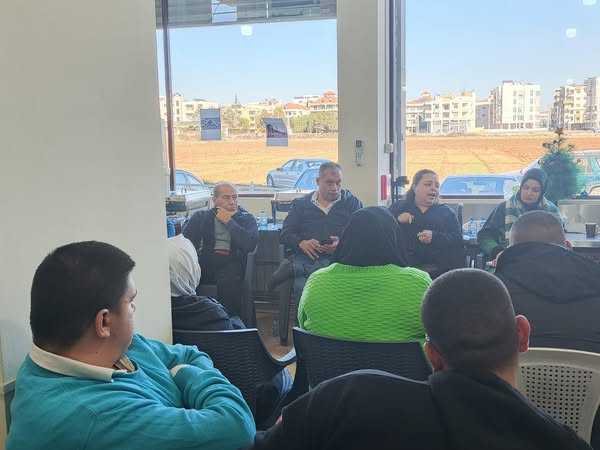
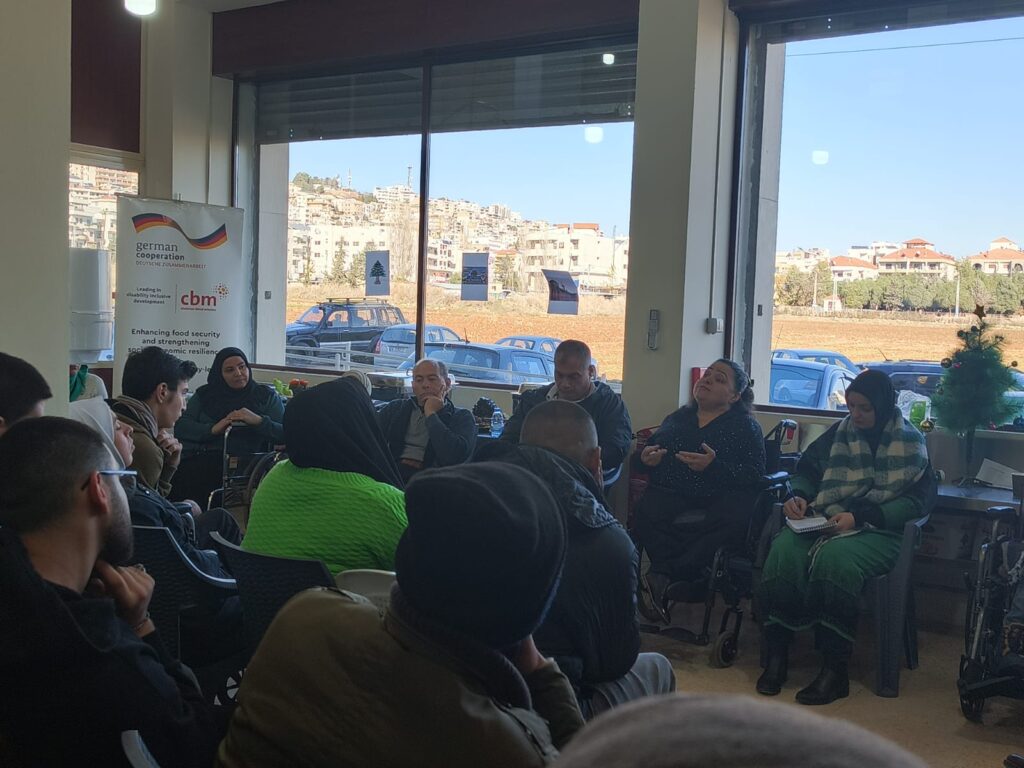
Our meeting began with each person recounting, in turn, their experience during the aggression. It is impossible to describe the volume and depth of emotions, and the strength of attachment to life that we saw and touched in the glances of the eyes and the sparkle of love in them. The tone of voice and the pulse of the words that precede it, between one narrative and another on the tongues of young women and men. I will not tell you all the stories, but I would like to share with you the wonderful butter that provided me personally with a lot of hope to continue to fight for justice. For the awakening of the nation.
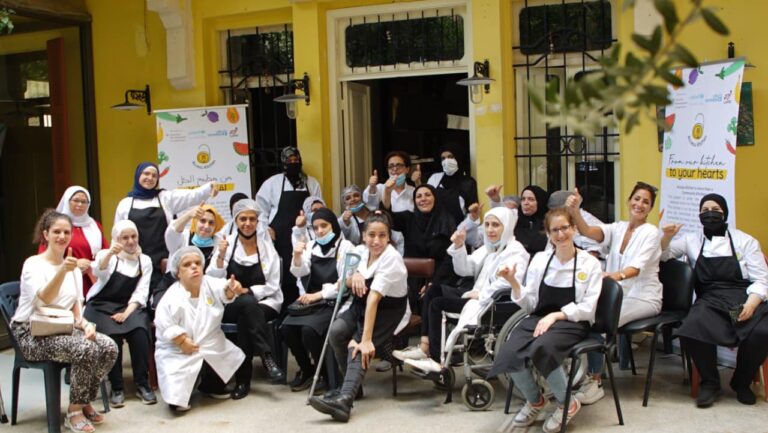
The stories can be divided as follows: Some of them told about the pleasant surprise of their families who were displaced to the north or Beirut, and how they found the Federation’s volunteers by their side, supporting them in their internal strangeness with whatever means they had available. Some of them told about how they stayed in their homes under the shelling and were involved with the kitchen team in Zahle, and how they worked together daily to cook and provide food for the people in the area, where food was delivered to homes. A non-disabled young man told about how his perception of people with disabilities changed, as his relationship in the kitchen started with a lot of fear and hesitation, and today he became one of the first advocates for the rights of this group to work and economic inclusion.
Tears were shed and mixed with smiles of survival as we listened to disabled people who were forced to stay because there were no centers equipped to receive them. Some of them were injured and damaged because they had to stay at home.
Everyone expressed how happy they were to be part of the kitchen and the group, whether in terms of the barrier-free engineering of the kitchen and the inclusive management, or the inclusive way of learning and dealing without any form of gender and social discrimination. Despite the fact that the members of the group come from different regions, such as Brital, Zahle, Baalbek, Pralias, and others, the relationship between them is beautiful and equal, and everyone emphasized their determination to continue. Most of them said that this shared experience in the kitchen in difficult circumstances has been a psychological support for them in difficult circumstances.
In the second part of the meeting, we shared some ideas on how to ensure the inclusion of rights in the recovery and reconstruction plan, and how to strengthen our rights and demand role. Why the demand and rights role? Because we are still excluded from all of our natural rights, and because the number of victims of persons with disabilities in the state of emergency is many times higher than non-disabled victims. Simply because, as always, diversity criteria for human needs have not been incorporated into the work structure of emergency plans.
Afterward, we celebrated the joy of coming together around a delicious table prepared by a group of physically and visually impaired people as well as non-disabled people.
The meeting was a living example of the possibility of achieving a cohesive, inclusive and safe society, which may resonate with those who are in decision-making positions and are considered in the stage of recovery and recovery.
In these stories lie the solutions for those who want to consider, and “to be safe together.”