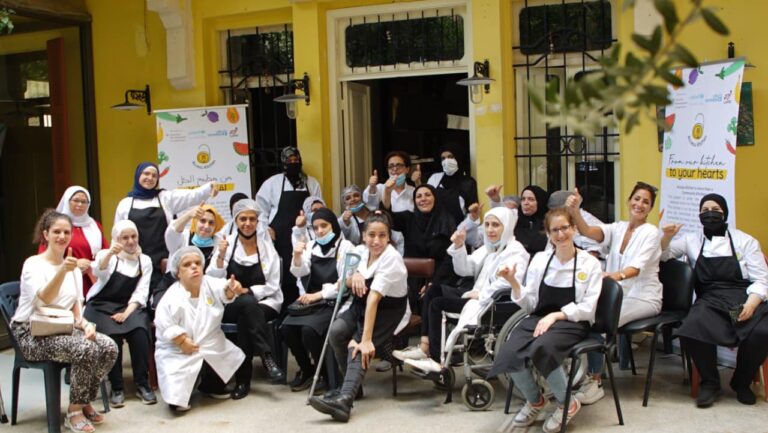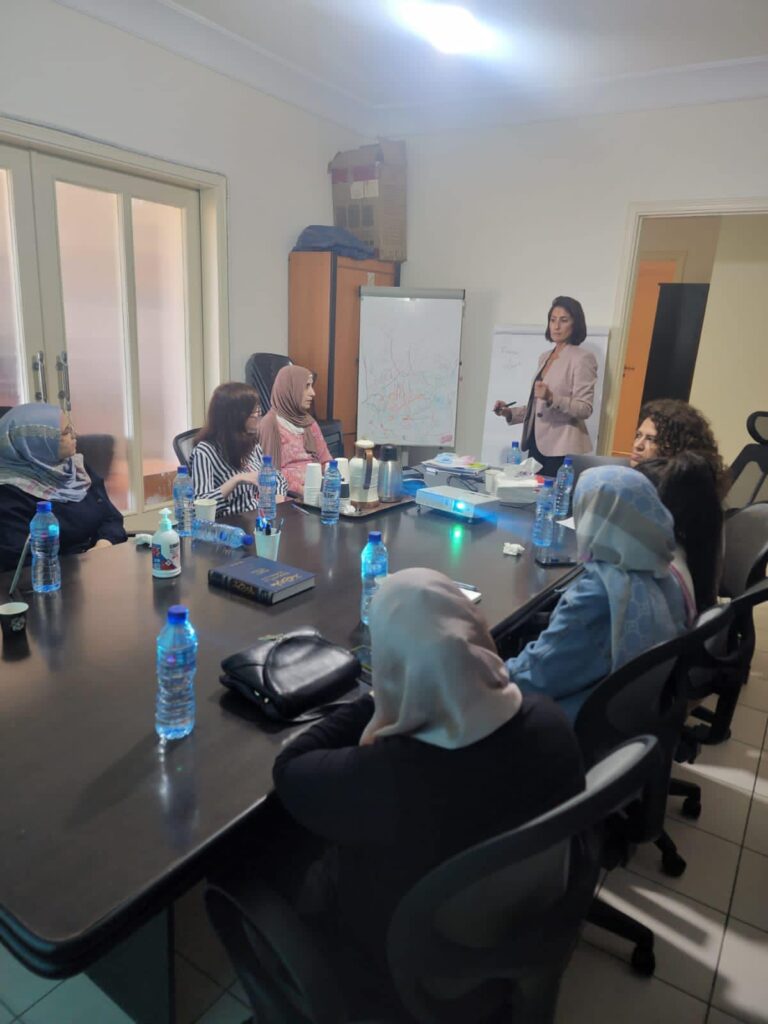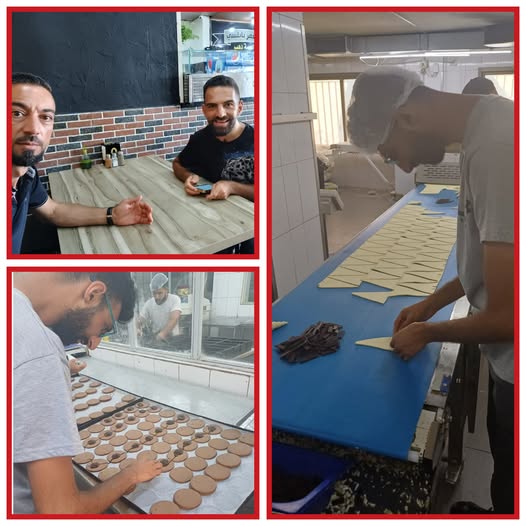
A solution available for both cases: accelerated vocational training, or academic vocational training.
We work for those who missed the opportunity for vocational education, and for those who wish to start vocational education now.
Why do we focus on vocational education or training, using more than one strategy and method?
The LUPD organizes inclusive training programs held at its branches and centers, targeting especially, but not exclusively, persons with disabilities and non-disabled persons who have exceeded the legal age for enrollment in regular vocational education schools (which are not originally equipped for inclusive education). We also implement model inclusive vocational education programs with official vocational institutions to enable them to begin the path towards inclusive vocational education.
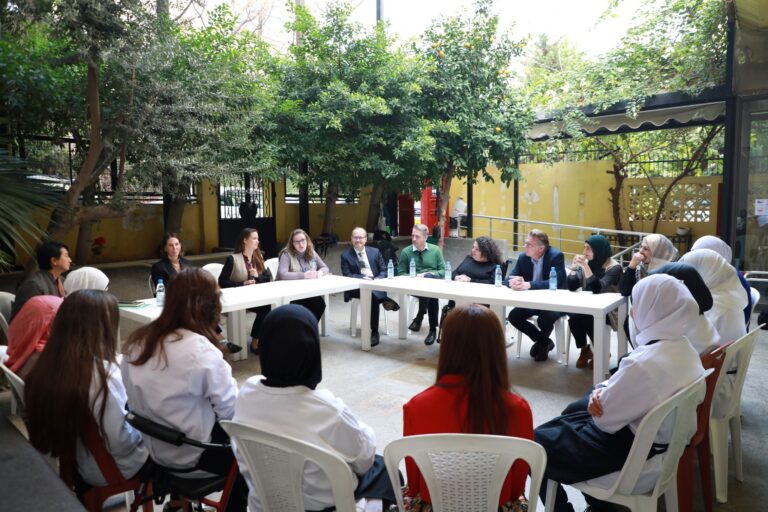
We adopt this strategy to reach a national policy for inclusive vocational education, as we design a plan that addresses all levels and components of the vocational education structure. It should be mentioned that we adopt a deep and broad participatory logic, where persons with disabilities themselves form the primary source, along with organizations of different disability groups, and experts well-versed in inclusion issues.
Example: Developing educational tools, adapting curricula, building the capacities of administrators and educational staff, assessing the building’s condition and identifying required modifications, providing specialized human resources, developing guides for each sector, including monitoring and evaluation systems. And of course, this is done with a comprehensive application of all elements of the experience, culminating in a policy paper presented to relevant authorities.
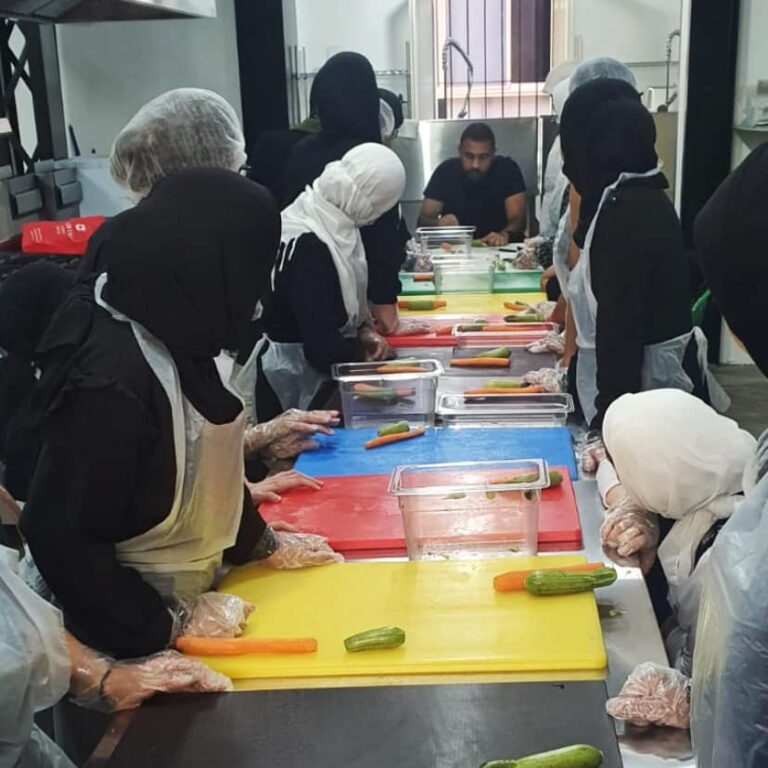
Vocational training at the LUPD is the most effective tool for achieving self-independence. We aim to equip persons with disabilities with the technical and practical skills required by the contemporary labor market, while ensuring the removal of all barriers that may prevent their access to production and workplaces.
Pillars of Vocational Training programs at the LUPD
The professions and vocational sectors are determined according to the outcomes of quantitative and qualitative market needs studies that the LUPD conducts periodically.
Preparing Training Centers
Ensuring that all workshops and training courses are physically and technically accessible, providing assistive equipment, and adhering to the gender policy (gender equality) that ensures everyone’s effective participation.
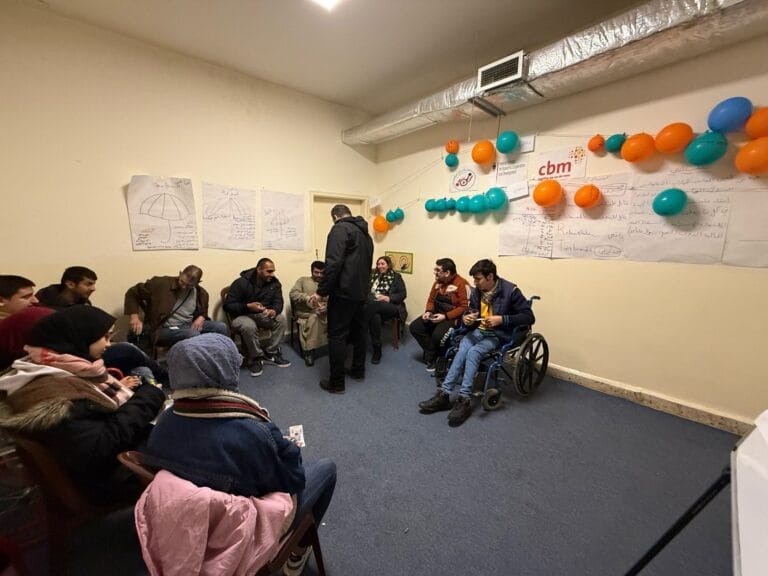
The mission does not end there, as experience has taught us that we must pay attention to the matter of life skills and ensure literacy in partial matters that may have a significant impact on the path of practical progress in professional life.
Developing Life Skills and Work Readiness
- To eliminate the effects of discrimination and marginalization that a person with a disability may have experienced in their life, through training on how to write a CV, pass job interviews, manage time, in addition to enhancing self-confidence and professional negotiation skills.
- To transition male and female trainees after graduation to the economic and social integration and equal opportunities program for entering the labor market at the LUPD.