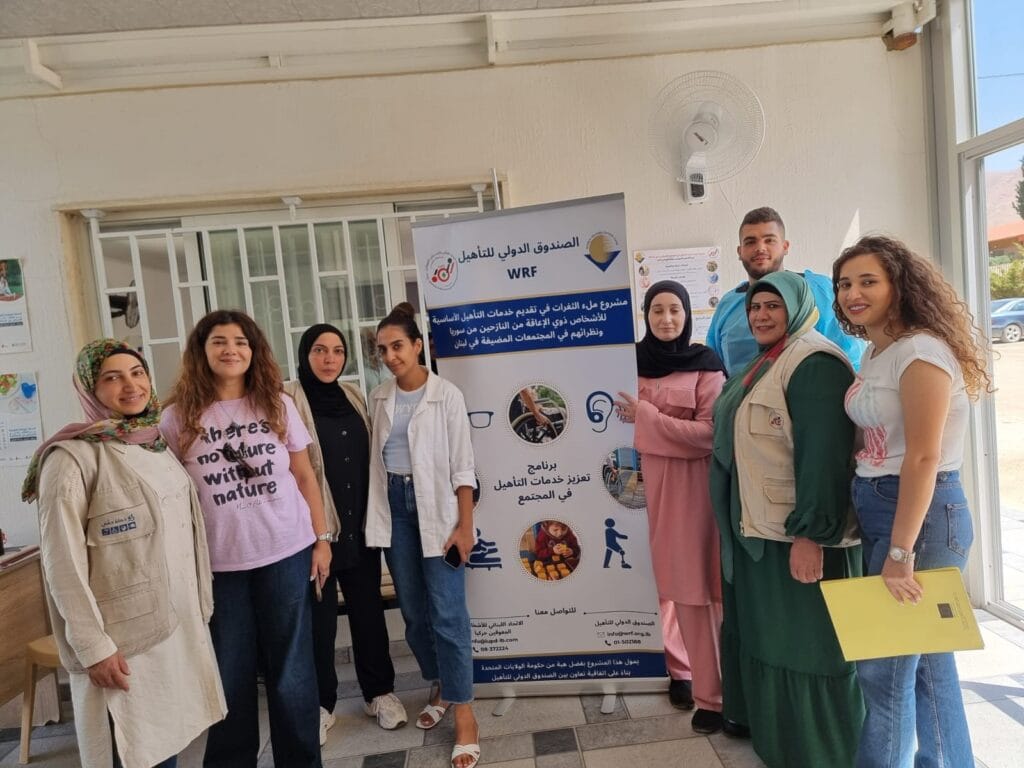
From November 2022 until February 2025, we implemented the project “Filling the Gaps in the Provision of Basic Rehabilitation Services for Persons with Disabilities Displaced from Syria and Their Counterparts in Host Communities in Lebanon” in the Baalbek district.
This vital project, launched in partnership with the International Rehabilitation Fund and funded by the U.S. Government (Bureau of Population, Refugees, and Migration), aimed to develop and expand community-based rehabilitation services to address the severe shortage in this field.
Our efforts focused on providing rehabilitation and mobility aids, self-care/home care supplies, rehabilitation therapies, and basic architectural modifications for homes and public centers.
Impact and Key Achievements
- Direct Beneficiaries of Assessment: Assessment files were opened and needs were met for approximately 617 persons with disabilities (Lebanese, Syrians, and Palestinians), to ensure access to the most appropriate services.
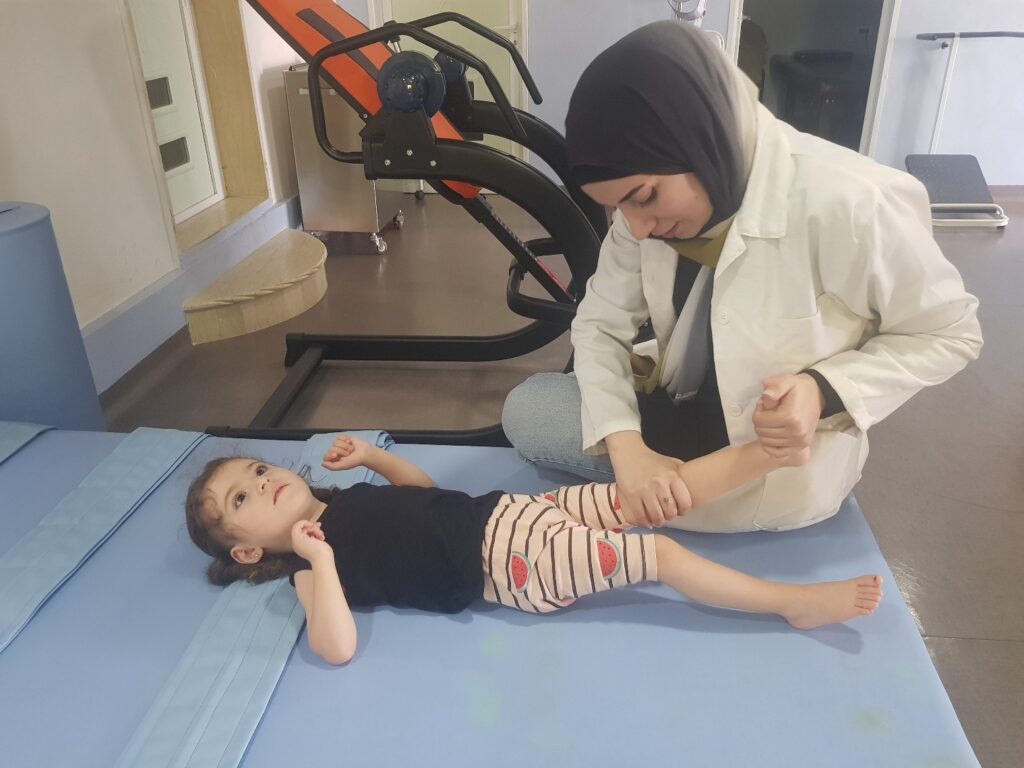
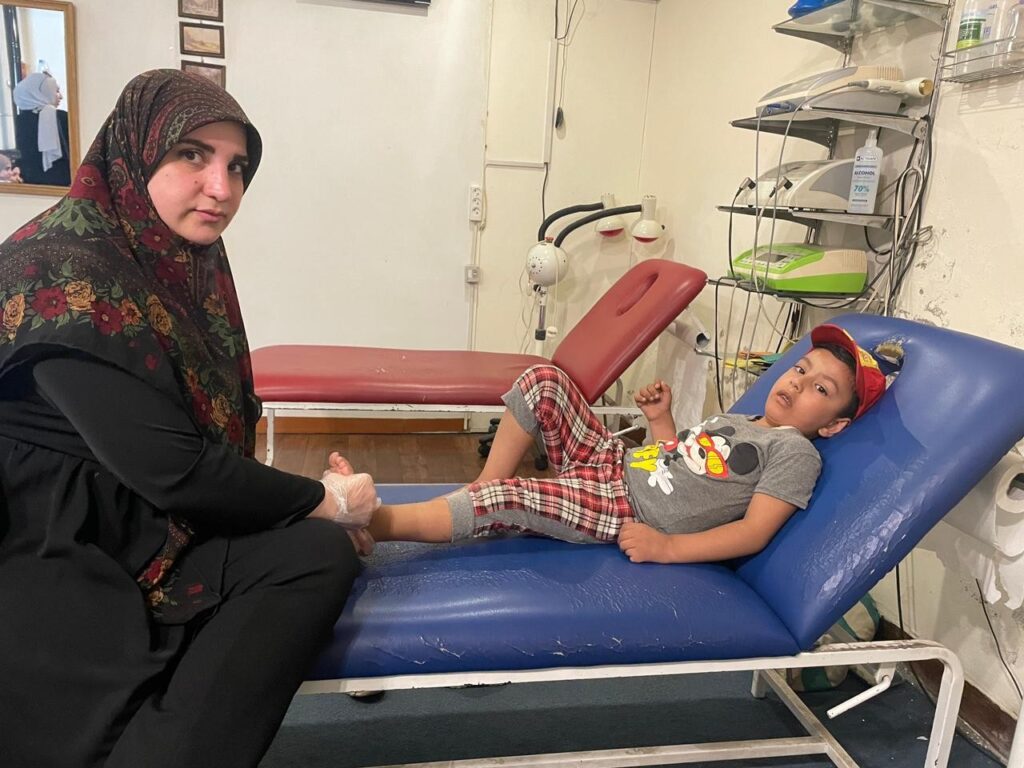
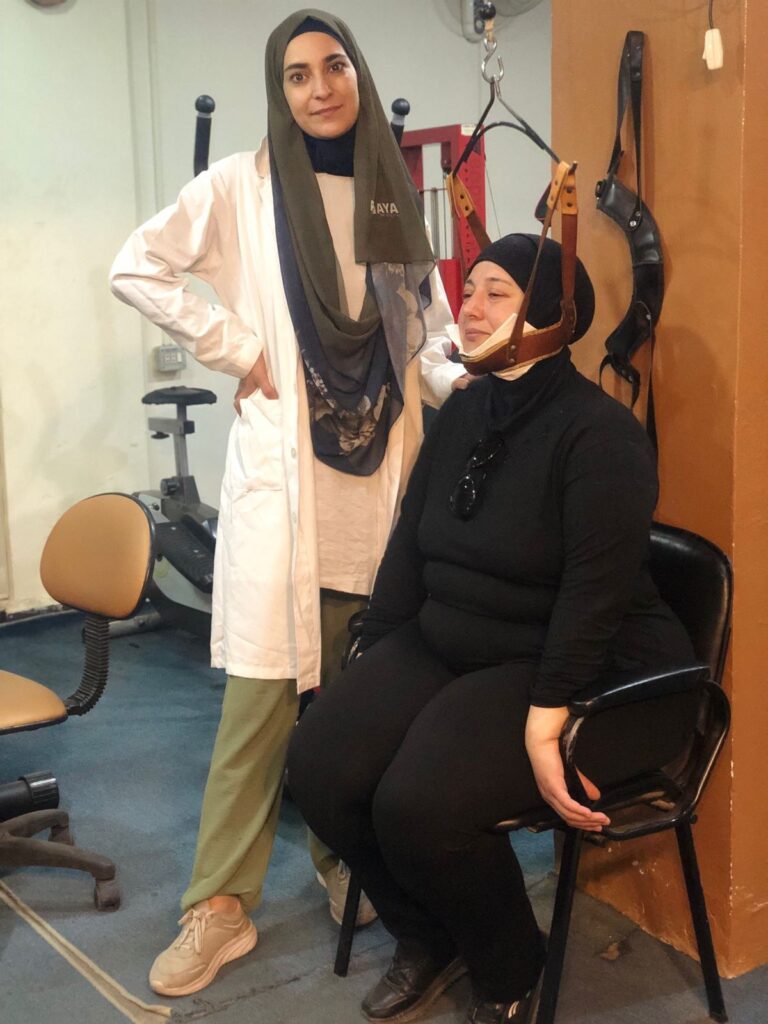
- Rehabilitation Services: 528 people benefited from basic rehabilitation services, including the delivery of mobility aids and special care supplies to over 427 beneficiaries, and the provision of physical and occupational therapy sessions for over 96 beneficiaries.
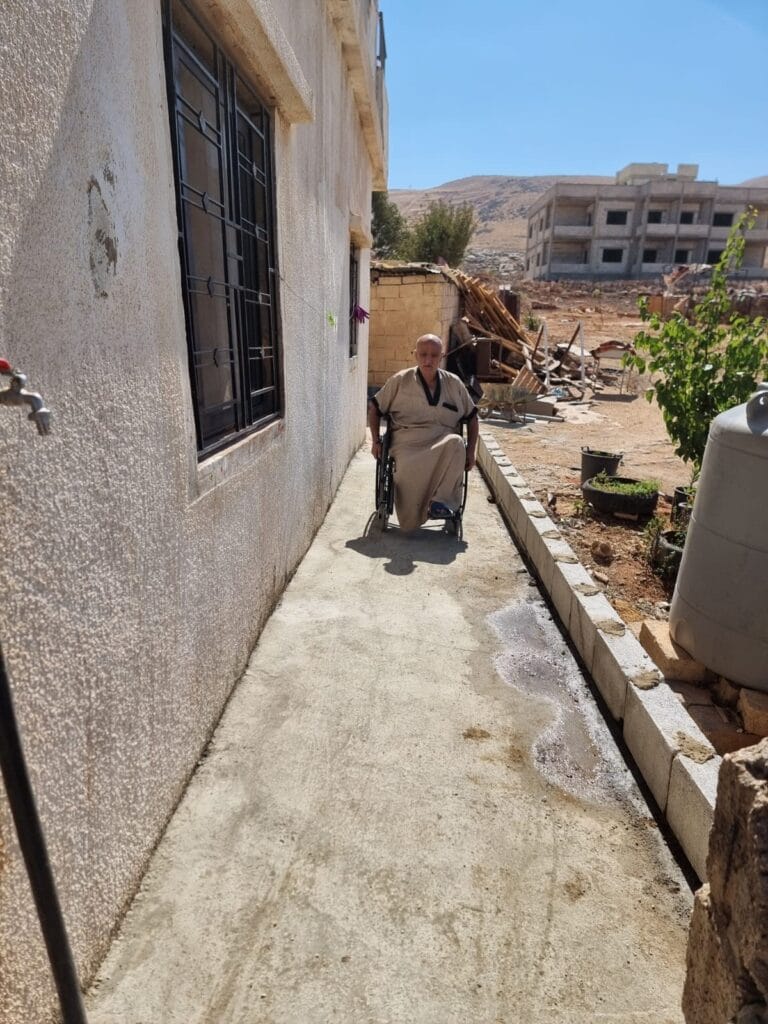
- Retrofitting: Architectural modifications were completed in 5 homes of persons with disabilities to enhance their independence, in addition to modifications to public centers (the Baalbek Development Services Center and the Ibn Al-Razi Health Center) to ensure everyone’s access to facilities and services.
- Awareness and Advocacy: Over 30 remote and in-person awareness sessions were organized on health, protection, and the rights of persons with disabilities, directly reaching hundreds of people. We also conducted an advocacy campaign with 10 health centers to promote inclusion and access to services.
- Building Partnerships: Coordination and networking were established with over 200 entities (health centers, municipalities, international and local organizations) to create a strong referral network that ensured 275 people gained access to services not available through us.
Even though funding stopped, this project remains a model of integrated work that contributes to enhancing the independence, dignity, and inclusion of persons with disabilities in society.