
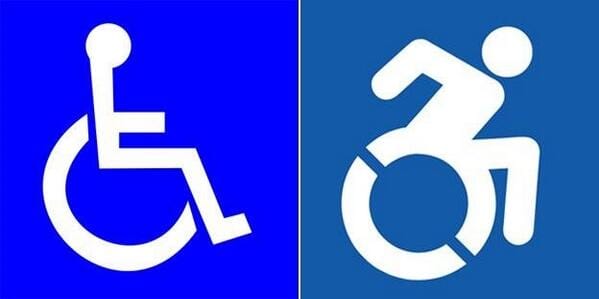
The Lebanese Union for Persons with Motor Disabilities, the Lebanese Union for the Deaf, the National Association for the Rights of Persons with Disabilities, the Lebanese Association for Self-Advocacy, the Forum for the Rights of Persons with Disabilities, the Shabiba Association for the Blind, and the Deaf Education Center issued a statement on the occasion of the International Day of Persons with Disabilities: “December 3rd marks the International Day of Persons with Disabilities. The United Nations recognized this day to emphasize that the issue of disability is a human rights issue, and that the goal is for governments to adopt a human rights approach when dealing with the issue of disability based on the right of persons with disabilities to live in dignity within their environment and society. Inclusion should be the strategic goal of any governmental and societal policy or program on disability. The International Convention on the Rights of Persons with Disabilities has emphasized the importance of moving from supporting policies based on a welfare orientation to adopting programs based on rights and inclusion.”
The statement added: “We regret that Lebanon has not yet ratified the International Convention, and the government’s policies are still based on supporting the welfare approach by funding only welfare institutions, many of which are affiliated with political and religious bodies in the country. What we would like to emphasize on this occasion, as associations representing people with disabilities, is that the issue of disability belongs to the people with disabilities and they alone, through their representatives, have the right to speak on behalf of the issue and defend it. All that people with disabilities in Lebanon ask is for the state to adopt policies based on inclusion and social protection, and for each ministry to assume its responsibility in this field. The state’s responsibility is not limited to partnering with welfare organizations that serve approximately ten thousand beneficiaries, while the number of people with disabilities in Lebanon exceeds one hundred thousand. The role of institutions is to provide the diverse and specialized services required to ensure the maximum amount of independent living and integration into society, and it is up to the persons with disabilities themselves to choose and decide on the quality of the services provided to them.”
“We emphasize here that what is required of the state is to adopt a scientific classification of disability that ensures that all types of disabilities receive the required needs according to the type of disability and the requirements of integration. The state should support inclusive programs such as providing qualified housing, accessible transportation, inclusive schools, health care, aids, a sign language laboratory, and decent work, in addition to adopting strategies of early intervention, social protection, and full integration, with the aim of ensuring that every person with disabilities can be the decision-maker in everything that concerns them, in order to live with dignity and independence.”