After meeting in the framework of the first national conference Inclusive Tourism in Lebanon in Beirut on January 26-27, 2017, ministers, directors-general and representatives of relevant ministries, representatives of chambers of industry, commerce and agriculture, representatives of the private sector and businessmen, representatives of relevant unions and syndicates, and heads of mayors and representatives of municipalities, representatives of civil society organizations, organizations of people with disabilities, and civil society associations Disabled people’s organizations, civil society associations, activists and experts, we pledge to follow up on the points below and work to implement them, based on the following initiatives and references:
- The Lebanese Constitution, Law 220/2000 on the Rights of Persons with Disabilities in Lebanon (2000) and related implementing decrees
- Universal Declaration of Human Rights (1948), Declaration on the Rights of Persons with Disabilities (1975), Standard Rules on the Equalization of Opportunities for Persons with Disabilities (1993)
- Center for Universal Design’s Principles of Universal Design (1997)
- International Convention on the Rights of Persons with Disabilities (2006)
- ISO 21542 building construction standard on accessibility and usability of the built environment
- Provide a global reference for the design of buildings, including tourism infrastructure (2011)
- The World Health Organization’s recent global report puts the percentage of people with disabilities around the world (1 billion people) at 15 percent
- Sustainable Tourism for Development (the UN General Assembly, at its 70th session, declared 2017 as the International Year of Sustainable Tourism for Development), promoting the role of tourism in the following five key areas:
- Inclusive and sustainable economic growth
- Social inclusion, employment and poverty reduction
- Efficient use of resources, environmental protection and climate change1
- Cultural Values, Diversity and Heritage
- Mutual Understanding, Peace and Security
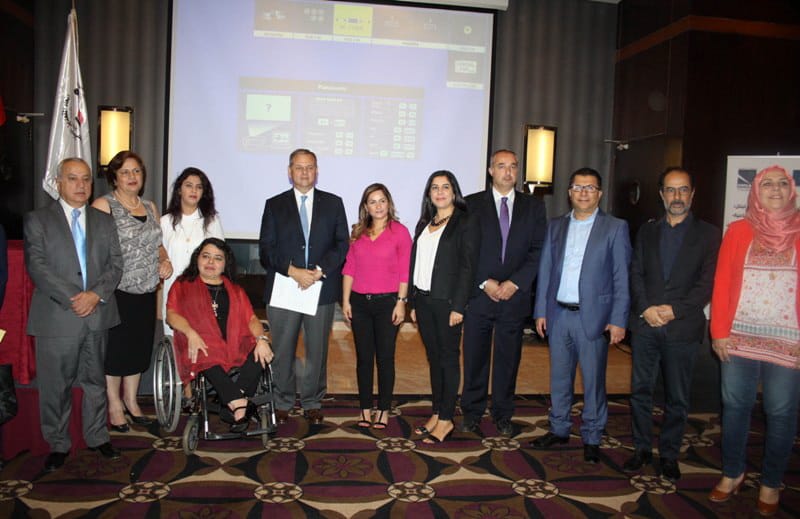
The announcement comes on the back of a conference held at the Crowne Plaza Hotel in Beirut, titled “Toward Inclusive Tourism”. in partnership between the Lebanese Wheelchair Union and the European Network for Inclusive Tourism Inclusive Tourism, within the framework of the “Tourism for All in Lebanon” project, as part of the “Afkar 3” program funded by the European Union and managed by the office of the Minister of State for Administrative Development State Minister for Administrative Development Affairs, with the aim of exploring ways to to disseminate the concept of inclusive tourism and activate the National Framework for Inclusive Tourism in Lebanon Lebanon.
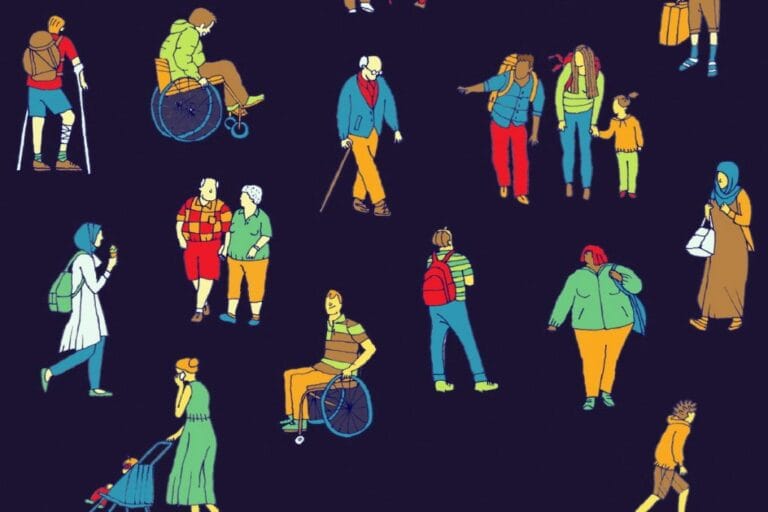
Based on our knowledge that “inclusive tourism Inclusive tourism is the process of creating an enabling environment that should cater to the needs of all people, regardless of their abilities, whether they are disabled or not. the needs of all people equally, regardless of their abilities, whether they are disabled or non-disabled, or have a temporary or other disability (mobility, hearing, vision with or without disabilities, or with temporary or other disabilities (motor, auditory, visual or intellectual). It also caters to the needs of families traveling with children or elderly people. especially in light of the increasing aging of the global population (in 2050, the elderly will make up over the age of 60 will make up 22 percent of the world’s population – about a quarter of the world’s population). a quarter of the world’s population). At some point, most people will develop some form of disability. Sooner or later, people will have additional needs. The inclusive tourism market will have a golden opportunity to welcome these visitors, given that these people are often in groups and spend more than the average on their trips.
Creating a tourism environment that is inclusive of all its members, including people with disabilities, is not only a humanitarian duty, but also an exceptional opportunity to improve the quality of the tourism product, thereby increasing a unique opportunity to improve the quality of the tourism product, thereby increasing the competitiveness of tourism destinations. the competitiveness of tourism destinations. Around the world, there are many regions and tourist destinations that have developed tourism policies and practical measures that take into account The diversity of individuals, in terms of work, mobility, sensory or intellectual disability, or health status. With a nuanced approach that combines inclusive social policies, universal design techniques, and the use of universal design, and the use of modern technologies and information, stakeholders can meet the demands of inclusive tourism.
Inclusive tourism falls under several frameworks Humanitarian-developmental:
- Socially and economically inclusive approach
- The sustainable development dimension of the UN’s Sustainable Development Goals
by 2030 - A spirit of human integrity that preserves the fabric of societies
and preserves diversity - A human rights-democratic-civilizational vision based on the sanctity of human dignity and its relation to justice
human dignity and its relationship to justice
To this end, we recommend strengthening the following measures:
Tourism requirements:
- Expanding the market base by developing products, services, and tourism infrastructure to benefit all visitors, including people
and tourism infrastructure to benefit all visitors, including people with disabilities, the elderly, and families traveling with children
people with disabilities, the elderly, and families traveling with children. - Applying the seven universal design principles to tourism sites and facilities
tourism in Lebanon (including transportation, utilities and services). - Providing a public transportation service for tourist attractions
This requires a real treatment of the transportation sector through the existence of a regular and integrated transportation system on all Lebanese territories that provides a high level of transportation service at a cost-effective price.
A regular and integrated transportation system throughout the Lebanese territory that provides a high level of transportation service at a reasonable cost.
affordable. - Improving ways of living in Beirut and taking into account the needs of all people, by:
Developing tourism facilities according to international standards to suit everyone’s needs, as well as
Providing unobstructed paths and roads for smooth transportation so that people with disabilities can move independently.
with disabilities can move independently. - Building the capacities of employers, employees and people with disabilities
To improve the quality of tourism products and services, by - Support efforts to raise awareness and educate business owners
and managers on the advantages of providing accessible facilities and services, as well as
Encourage the introduction of employee training programs. - Encourage the training of travel and tourism staff
to welcome and serve persons with disabilities. - Continue to work with conference events to train guides
to monitor available services and reach more visitors. - Cooperation between associations and institutions of people with disabilities.
with the aim of identifying gaps in service provision and improving the quality of tourism products and services. - Partnering with the Syndicate of Engineers to adopt engineering standards
to allow people with disabilities to easily navigate and use
public facilities.
Local authorities:
- Launching mechanisms of cooperation, partnership, and integration between the public and private sectors, civil and civil society, and relevant international organizations
between the public and private sectors, civil and civil society, and relevant international organizations, in order to
building an inclusive, effective, and distinctive tourism sector in Lebanon, as well as applying pioneering models that will serve as a prelude to the development of national policies in this regard.
as a prelude to the development of national policies in this framework. - Providing barrier-free paths in public and tourist areas
that are accessible to all people. - Provide resources to the business community to develop and disseminate
knowledge and awareness about inclusive tourism and accessibility. - Calling on the financial and banking sectors to create financial products
for financing inclusive tourism. - Leveraging the expertise of international organizations working in Lebanon
to support all national efforts to reduce obstacles and achieve inclusive tourism.
Governments
- Developing a strategic vision to make Lebanon a disability-friendly country
by adopting inclusive tourism (concept and practice), thereby attracting a large segment of visitors from around the world.
a large segment of visitors from around the world. - Creating policies that make tourism accessible to all people and access
to come up with key conclusions that are a real start to translating the concept of inclusion that gives everyone the right to access
to access. - Rethinking Public Policies and Redressing Inequality
legislative. - Continuous development and modernization of legislative frameworks related to the rights of persons with disabilities
the rights of persons with disabilities in line with international standards. - Requiring the public sector to implement a quota for employing people with disabilities
(3%), away from the welfare state. - Establishing a National Security Council, with employment as one of its main concerns
people with disabilities. - Tourism Decision Makers’ Commitment to Inclusive Tourism
inclusive tourism. - Accreditation of associations and organizations of people with disabilities to evaluate and certify
on the “quality” of tourism and cultural facilities and the extent to which they adopt inclusion standards.
- “Habitat III, Third United Nations Conference on Housing and Sustainable Urban Development (2016) ↩︎