The Primary Health Care Network
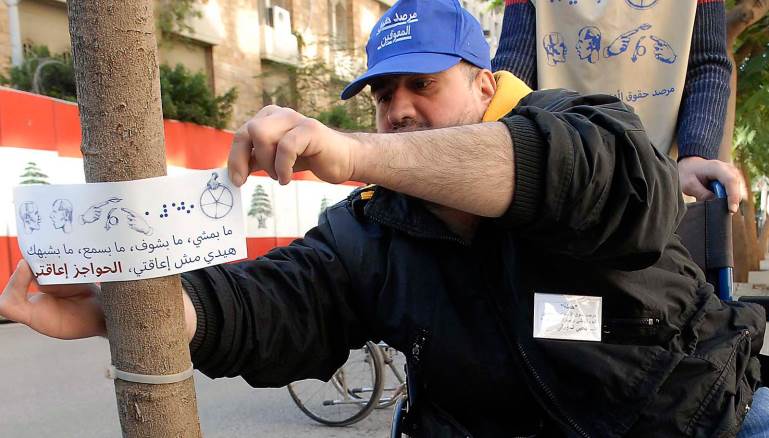
This guide explains models on how to assess access to information for persons with disabilities in Lebanon. A specific and detailed model was chosen to target the network of primary health care centers affiliated with the Ministry of Health on Lebanese territory, a large and growing network whose services include persons with disabilities in accordance with the provisions of Law 2000/220 on their rights, providing various medical services. To what extent do they respect the law in force? To what extent do they comply with the texts governing their work, especially the questionnaire on the basis of which they are granted a license by the Ministry of Health? Despite Lebanon’s existing obligations under international law to ensure that persons with disabilities and their representative organizations have access to information, that the information they use is accessible, and that the government monitors and compiles statistics appropriate for persons with disabilities, the reality today, both in the model we chose for the training and in other ministries and their structures, indicates that these obligations are not being implemented. Lebanon’s record is a mixed bag. There is a lot of information about how government works in Lebanon – but it often flows through informal and inaccessible networks. Information is often unavailable and inaccessible to people with disabilities – nor can it be used by people with specific disabilities or people in difficult social or legal situations. Investing in access to information can make Lebanon a more inclusive and democratic place and help people with disabilities access better service systems that have long excluded them from everyday life.