Not currently displaying
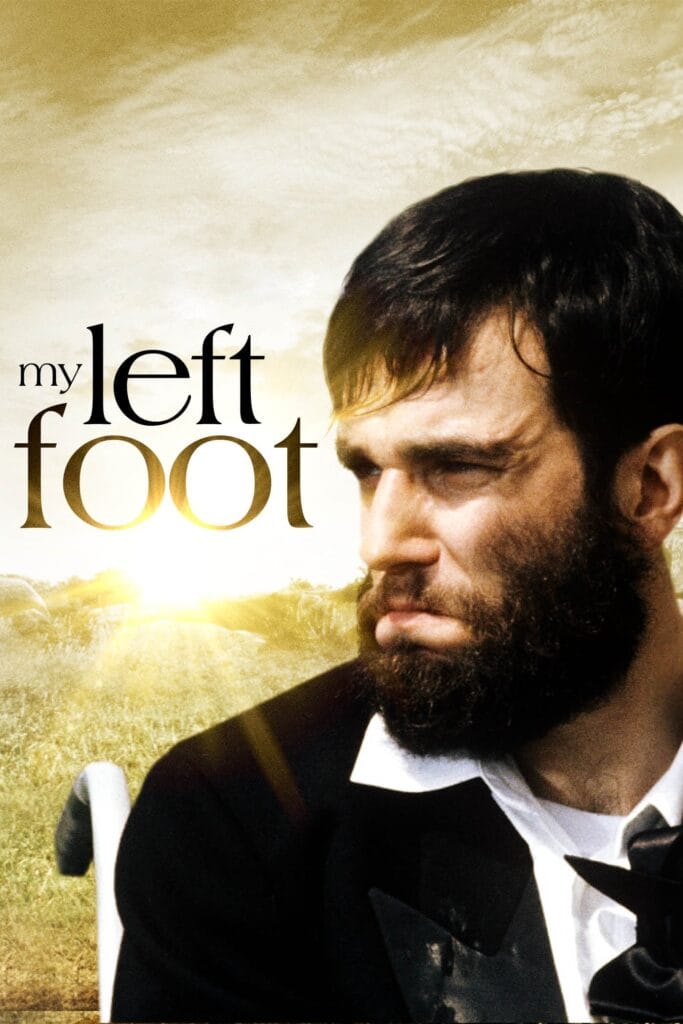
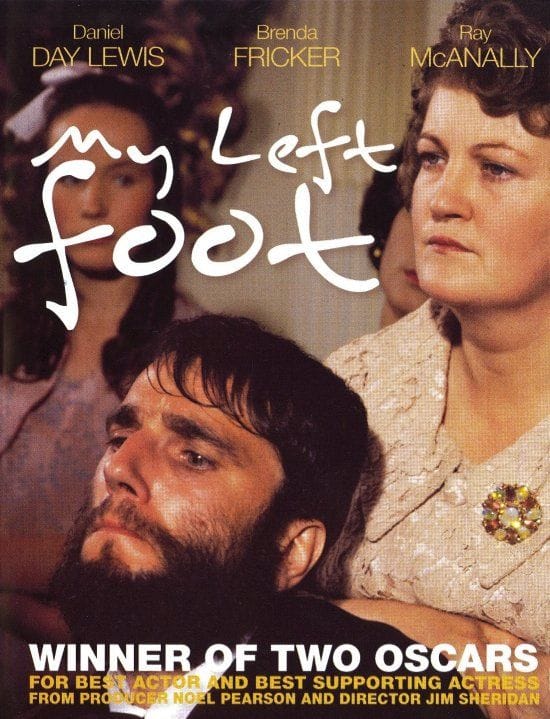
“My Left Foot is a 1989 Irish film directed by Jim Sheridanand starring Daniel Day-Lewis. The true story of the movie is based on Christy Brown’s novel My Left Foot, which he wrote with his left foot. The movie tells the story of Christy Brown’s life from the moment he was born, through the stages of his life and the difficulties he experienced, to his path to success and stardom. It is a motivational and inspirational movie for people with disabilities, where tears are mixed with smiles of triumph, and where the lines of disappointment and success intersect.
The story begins with the birth of a baby boy with cerebral palsy in the poor Brown family named Christy. The child does not move any part of his body except his left foot. At first, his peers around him think that he has an intellectual disability as well, except for his mother, who believes that his disability is only physical, and that with his watchful eye he is able to understand everything around him, but he can only speak or move with his left foot. His mother nurtured him and distinguished him from his siblings, leaving all the worries of life for him, and discovered his abilities to draw and write. For the first time at the age of ten, when he took chalk, put it between his toes and wrote the word “mom” on the living room floor, following a dispute between his parents, as if he was telling his father not to yell at my mom. His father had a change of heart, he picked him up, took him to the café and told his friends that he was proud of his genius son, not his handicapped one. This was a defining moment in Christie’s life, as his self-confidence grew and he was able to cross over to the bright side of his life thanks to the support of his family, the main reason for his happiness or unhappiness.
Christie was seventeen years old and did most of his work on his own, using his left foot. One day, Christie was playing with his siblings in the neighborhood when a girl kissed him for a game of lottery, which required the winner to kiss the other, which made him admire her and send her a beautiful drawing, but she rejected it and returned it to him in a way that made him feel inferior.
The family’s financial situation deteriorated after the father was fired from his job, and the winter season came with cold, and the family did not have money to buy coal for heating, so Christy suggested to his brothers to steal coal, and his plan succeeded, and their father was happy, but their mother was angry and denounced their action by saying that stealing is not a good behavior.
His mother had been saving money for him for many years, and the day she was able to buy him a wheelchair from a rehabilitation center leaving Christie’s data there, she heard about his case from a doctor who owns a rehabilitation hospital, Eileen Cole. She began a treatment journey with him, which resulted in him being able to speak more clearly. Christie falls in love with Aileen, but later learns that she is engaged to be married, and as a result tries to commit suicide, only to back out at the last minute. Refusing to let sadness and disappointment defeat his spirit, he insisted on getting his chance to live life to the fullest. Christie became a renowned artist selling his paintings in exhibitions, and then worked on writing a novel about his life story, which was supposed to be titled “Memories of a Disabled Man,” but he called it “My Left Foot,” considering that life with one foot might be enough, and divided it into chapters, capturing feelings of anger, loneliness, isolation, love, sacrifice, hope, and success.
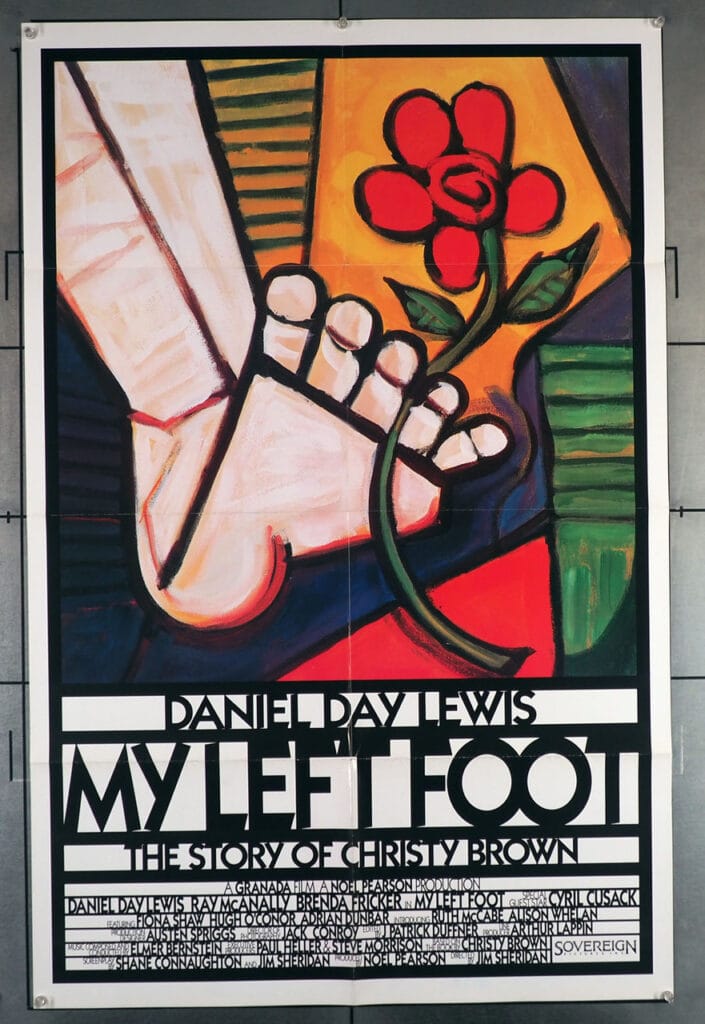
The movie ends on a romantic note, with Christie taking a rose between his toes and presenting it to Mary Carr, his supervisor at a charity event, who admires his paintings and his novel, and asking her to marry him, and she accepts his proposal. They married and lived together until he died at the age of fifty.