
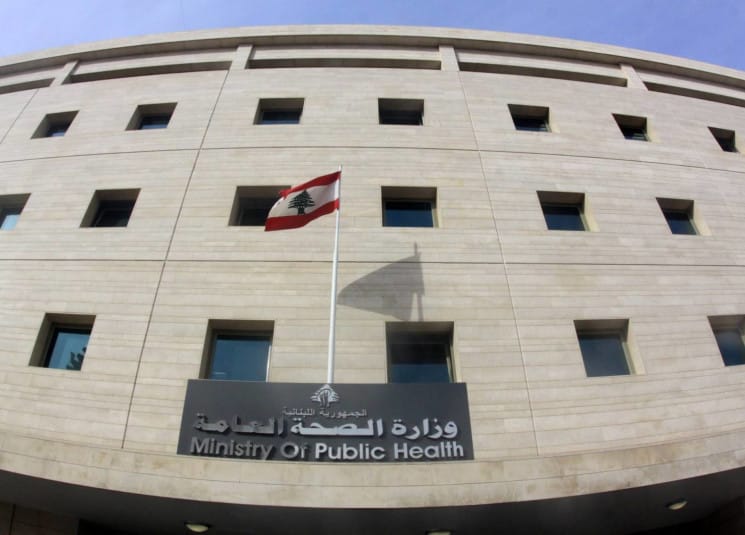
More than two decades after the promulgation of Law 220/2000 on the Rights of Persons with Disabilities in Lebanon, obtaining any basic health right for this group of citizens requires a lot of demands and direct communication from organizations of persons with disabilities to the ministry and even direct communication with the minister himself. Why? Where does the issue lie and how can it be resolved?
The “Vision 2030” issued by the Ministry of Public Health did not consider persons with disabilities as a group with additional health needs to be prioritized, and they were only mentioned in “health awareness and disease reduction”, and the donor-funded primary care support protocol signed by the ministry in 2021, confusing infectious diseases with disability and disability, and the executive summary of this national strategy did not approach disability issues in any way.
In fact, people with disabilities in Lebanon are inseparable from Lebanese citizens in general, despite the fact that positive discrimination towards them is stipulated in applicable laws, especially Law 220/2000 on their rights, and that their additional needs require more health services than other citizens. The 23 years that have passed since the issuance of the aforementioned legislation have not significantly improved the level of health services for people with disabilities. The Ministry of Public Health’s provision of health services to disabled citizens, whether directly or through guarantor funds, the private sector, and NGOs, is based on the medical-clinical and charitable-pastoral models of dealing with disabled citizens, which is based on an outdated vision that limited disability to the World Health Organization’s 1980 definition of disability.
Social and health protection for people with disabilities
The Lebanese Federation for Persons with Motor Disabilities (LFPMD) seeks “social health protection for persons with disabilities”, which is one of the advanced concepts adopted by the International Convention. This vision adopts the social model in dealing with disability issues, whereby citizens with disabilities are freed from restrictions to obtain comprehensive health coverage, which is considered one of their most basic rights, and the lack of which causes them to be isolated from society and deprives them of other rights such as access, learning, work, and participation in public life. As long as the social model considers that the disability is not in the disabled person himself, but in the society that places obstacles in front of him and hinders him, receiving health services is necessary, but it is not an end in itself, and the executive authority must cover the entire health file of the disabled person, under a single document, which is the personal disability card issued by the Ministry of Social Affairs, as this coverage is one of the obvious necessities that must be provided for the integration of the disabled person in his community and investing in his potential as any other citizen, which is one of the main features of social health protection.
The issue of the health file
It has become clear that the issue of the health file is not related to the issuance of a ministerial decision or a circular stipulating the provision of this or that service from this or that guarantor, and whether or not a committee meets. Providing retail services in a reality tainted by corruption and favoritism, the most that can be achieved is to provide some services to a section of disabled people within a narrow, outdated vision based on the medical model and the charity model in dealing with disability issues. To live up to the International Convention on the Rights of Persons with Disabilities (2006), and to live up to the work of organizations of persons with disabilities in working with local and international partners towards “healthy social protection for persons with disabilities in Lebanon,” the social protection framework “should comply with Lebanon’s human rights obligations and the 2030 Agenda for Sustainable Development,” and in particular “the development of nationally appropriate social protection systems and measures for all and the establishment of minimum standards for them.”
The only way to do this is to adopt the social model in dealing with the issues of persons with disabilities under the umbrella of human rights, as guaranteed by international laws, through the government’s full coverage of the health file of persons with disabilities under the disability card issued by the Ministry of Social Affairs as the only document. As a prelude to this, the concerned ministries must start with themselves, by incorporating inclusive criteria into their structures, structures, departments, projects, and decisions, because what is missing is not given.